China eyes widespread brain-computer interface deployment in 3–5 years
China may deploy brain-computer interface technology at scale within three to five years, Reuters reported, citing an unnamed expert. The dispatch names no modality, cohort, or regulatory pathway.
Updated
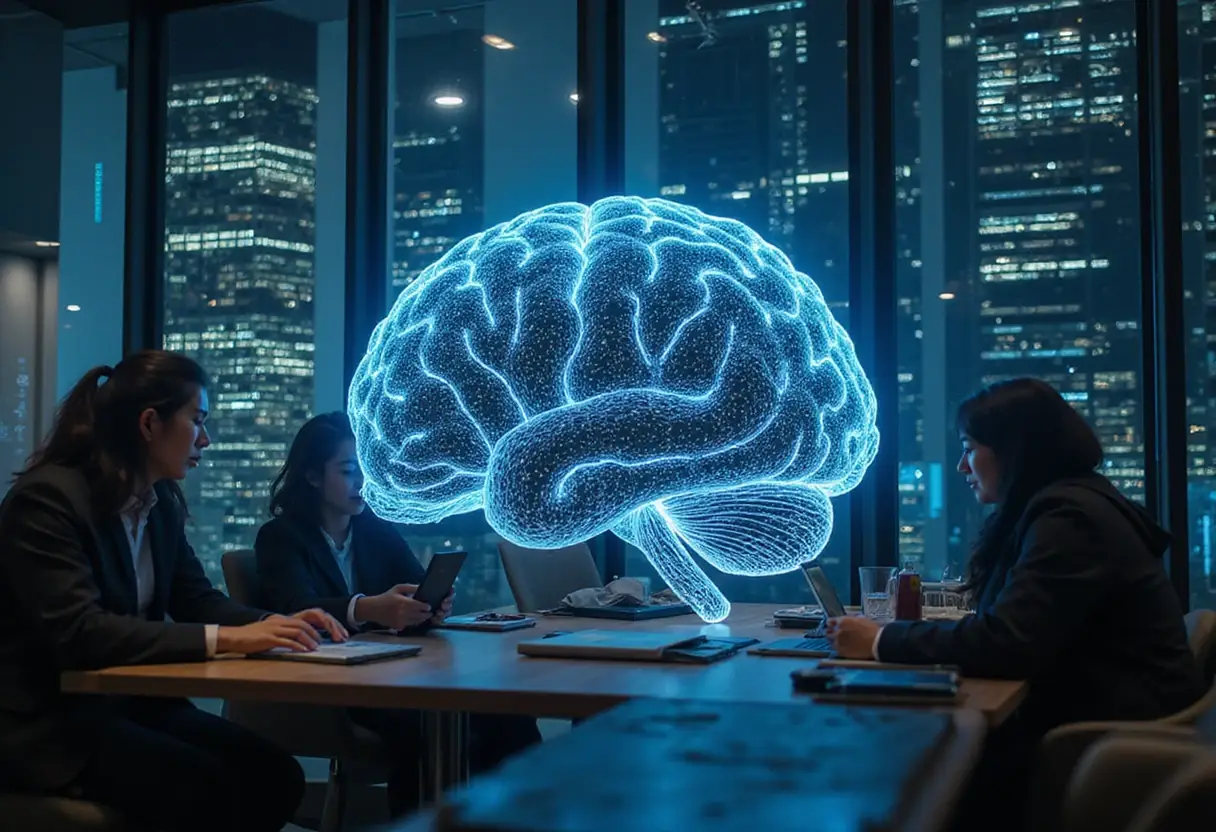
China may deploy brain-computer interface technology at population scale within three to five years, Reuters reported, citing an unnamed expert.
The Reuters dispatch, distributed under the headline "China could see widespread use of brain-computer tech in 3-5 years, expert says," provides a single concrete figure — a three-to-five-year horizon — and no further technical specification. The report does not name the expert, identify an institution, or describe whether the projection covers scalp EEG headsets, intracranial electrocorticography (ECoG) arrays, intracortical microelectrode implants, or non-neural consumer wearables.
What does the source actually tell readers?
The Reuters item is, in its current form, a one-line expert claim restated as a headline. The three-to-five-year window is the only verifiable number. Everything else — modality, indication, patient population, performance metric, regulatory pathway — is absent from the source.
For a clinical neurophysiology audience, that absence is decisive. A three-to-five-year deployment timeline fits non-invasive scalp EEG consumer or communication products, where device cost and surgical risk remain low. The same window falls well short of typical intracranial BCI timelines, which require neurosurgical implantation, long-term signal stability data, infection-control protocols, and multi-year follow-up — a pathway that historically takes the better part of a decade to move from first-in-human studies to scaled clinical use.
What does "widespread" actually mean here?
The Reuters summary leaves the term undefined. The BCI field uses the word loosely, and a single source can apply it to any of the following:
- Tens of thousands of consumer EEG headsets in homes, schools, and clinics
- Several thousand hospital-grade communication BCIs for ALS or locked-in syndrome patients
- A few hundred ECoG-based motor-decoding systems in rehabilitation programs
- Single-center research deployments that appear widespread within a narrow specialty
Each interpretation carries different implications for EEG laboratories and reading rooms. A consumer rollout increases the volume of patient-owned EEG data arriving in neurology clinics, often without standard montages or calibration. A hospital-grade deployment adds new responsibilities for clinical neurophysiologists who must assess BCI signal quality alongside conventional EEG.
Is this a research finding, a regulatory action, or an expert opinion?
The source frames the claim as expert opinion, not as a peer-reviewed study, an NMPA clearance, or a published trial. That distinction matters. FDA-cleared BCI devices and the parallel Chinese NMPA pathway both require specified evidence packages — animal data, pilot human studies, and performance benchmarks — none of which the Reuters dispatch cites. The three-to-five-year claim therefore sits in the same category as industry roadmap projections, which have repeatedly slipped in the BCI field.
What should monitoring units and reading rooms track?
Without further detail, clinical neurophysiology teams can monitor three concrete signals that the current source does not name:
- NMPA filings for BCI-class medical devices
- Chinese Clinical Trial Registry entries for BCI studies
- Conference abstracts from Chinese and international clinical neurophysiology societies
Each of these will produce named devices, specified montages, and patient counts — the data points the current Reuters dispatch lacks.
Looking ahead
The headline delivers a timeline but withholds the variables that determine whether the timeline is realistic: recording modality, clinical indication, regulatory pathway, and patient cohort. Until the cited expert or Reuters publishes those variables, the three-to-five-year claim functions as a directional signal rather than a forecast EEG laboratories or monitoring units can plan around.
Based on
Olivia Hart
Show full bio
Correspondent covering people, launches and day-to-day practice in Clinical neurophysiology and EEG interpretation at EEG Signal.