Intraoperative & Critical Care
EEG Algorithm Predicts Anesthesia Sensitivity Within First 10 Minutes
A reported EEG algorithm predicts patient anesthesia sensitivity from the first 10 minutes of recording, moving dose adjustment into the induction window.
Updated
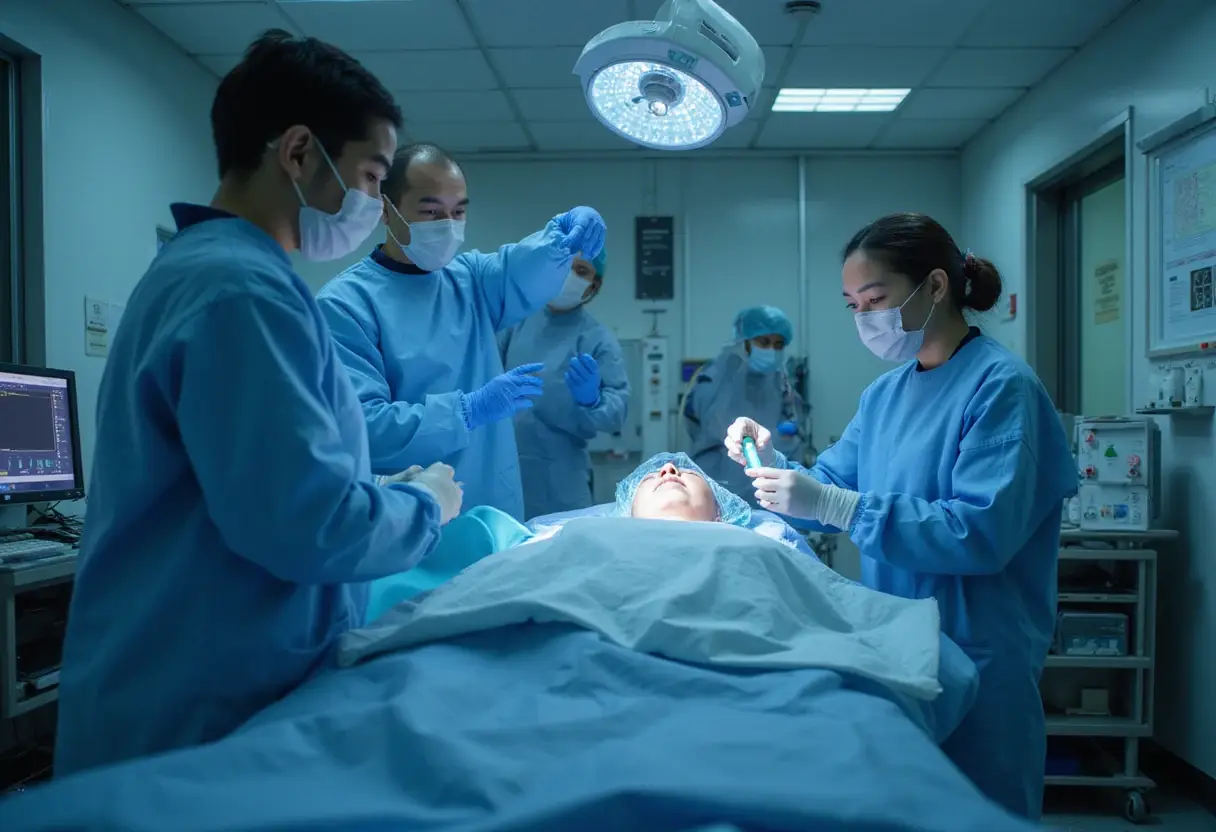
A newly reported EEG algorithm can predict a patient's sensitivity to anesthesia within the first 10 minutes of drug administration, according to an item published by Bioengineer.org. The claim, if confirmed in peer-reviewed cohorts, would give anesthesiologists an early physiologic read on dosing during the induction window.
The report centers on a computational tool applied to electroencephalography recorded at the start of anesthesia. The outlet's headline frames the central result plainly: prediction of anesthetic sensitivity from the first 10 minutes of EEG data. No details on the underlying model architecture, training cohort, or drug protocol appear in the syndicated summary itself.
What does the finding change at the bedside?
Anesthesia dosing remains one of the most patient-variable procedures in perioperative medicine. Two patients receiving the same weight-based propofol dose can show markedly different depth of hypnosis on processed EEG monitors, and clinicians typically adjust only after the patient's trajectory has already diverged from expectation.
An algorithm that flags sensitivity within the first 10 minutes would move that correction earlier — into the induction phase, before surgical stimulation begins. For the monitoring-unit reader, the practical question is whether the tool runs on standard frontal scalp electrodes already in operating-room use, or whether it requires a dedicated acquisition setup. The available report does not specify the montage.
How solid is the evidence?
The published item is a headline-level summary, and several distinctions matter before the claim enters practice:
- Modality: The report names EEG as the input signal; it does not state scalp versus intracranial, though perioperative anesthesia monitoring conventionally uses frontal scalp EEG.
- Regulatory status: Nothing in the report indicates FDA clearance or CE marking. Clinicians should treat the tool as investigational until a regulatory pathway is documented.
- Cohort: The source provides no patient numbers, no study site, and no publication venue. Peer-reviewed confirmation with a defined cohort is the necessary next step.
The Bioengineer.org headline is the concrete claim on record: prediction of anesthesia sensitivity in the first 10 minutes of recording. Every figure beyond that — accuracy, sensitivity, specificity — remains unpublished in the available text.
Where does this fit in EEG monitoring practice?
Processed EEG already guides anesthesia depth in many operating rooms, with bispectral index monitoring the most established example. Those tools describe the patient's current state. The reported algorithm aims one step further: to forecast individual response from early signal features.
That forecast framing places the work alongside other prediction-oriented EEG research — seizure forecasting in epilepsy, unconsciousness prediction in intensive care — where the field has learned that prospective, blinded validation determines clinical value. Anesthesia offers an advantage for this kind of modeling: the intervention is controlled, the timing is standardized, and feedback on the prediction arrives within minutes rather than days.
The 10-minute window itself carries practical weight. Induction typically completes within that period, so a prediction landing inside it reaches the clinician while dose adjustment is still routine rather than reactive.
What comes next?
The research team behind the algorithm will need to publish cohort details, validation results, and the recording parameters behind the 10-minute claim. Until those figures appear in a peer-reviewed venue, anesthesiology readers should register the report as promising but unconfirmed. A prospective trial comparing algorithm-guided dosing against standard practice would determine whether the early prediction translates into measurably steadier anesthesia.
Based on
Source: Google News: EEG.
Tom Whitfield
Show full bio
Senior reporter covering people, launches and day-to-day practice in Clinical neurophysiology and EEG interpretation at EEG Signal.