Neurofeedback & Neuromodulation
Neurofeedback Equipment Supports TBI Treatment at Military Facility
DVIDS image coverage documents neurofeedback equipment in use for TBI and other diagnoses at a military treatment facility; device and outcome details remain unspecified in the caption.
Updated
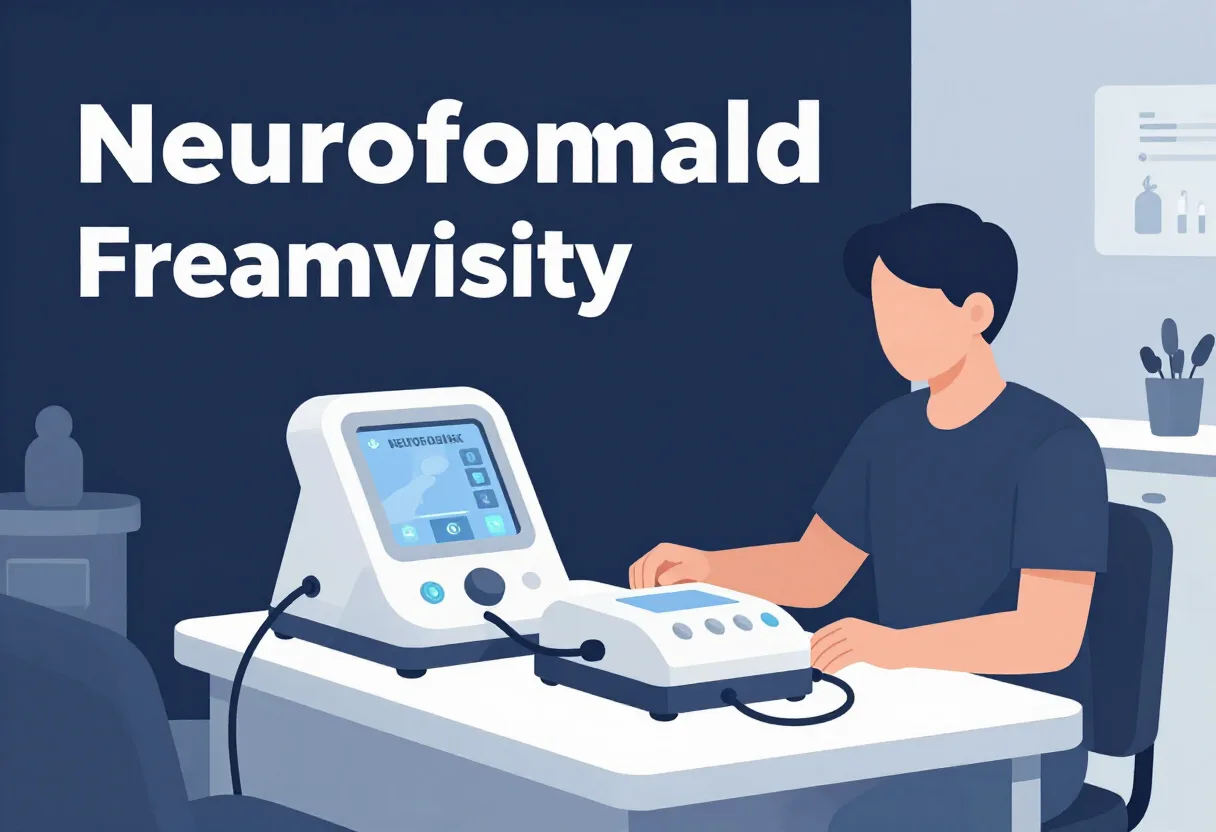
Military health publications distributed through DVIDS have released image coverage showing neurofeedback equipment in clinical use, with the photo set's caption indicating the technology improves treatment for traumatic brain injury (TBI) and other diagnoses.
The release, published as a four-image set under the headline "Neurofeedback equipment improves treatment for TBI, other diagnoses," documents the presence of neurofeedback hardware at a Defense Health Agency treatment setting. The caption accompanying the fourth image states that the equipment supports care for TBI patients as well as individuals carrying other diagnoses. DVIDS, the Department of Defense's news and imagery distribution platform, did not specify in the caption text the exact device model, the EEG montage used, or the number of patients treated.
The availability of the imagery signals ongoing Department of Defense interest in EEG-based neurofeedback as a therapeutic modality for service members. Neurofeedback in this context typically involves real-time display of scalp EEG activity — most commonly within the 19-channel 10–20 international system montage — so patients can attempt to modulate their own cortical rhythms across standard frequency bands. Practitioners working with TBI populations often target slow-wave dysregulation and coherence abnormalities identified on quantitative EEG, though the DVIDS caption does not detail which protocol the featured clinic follows.
For clinical neurophysiologists and EEG technologists, the release lands amid continued debate over neurofeedback's evidence base. The modality has attracted FDA attention in recent years, and clinicians should distinguish between cleared devices and investigational applications when considering adoption. The DVIDS material itself is photographic documentation rather than a peer-reviewed study, so it demonstrates deployment of the equipment in a treatment setting without reporting outcome metrics, controlled comparison groups, or follow-up data.
Readers covering the neurofeedback field should treat the caption's claim — that the equipment "improves treatment" — as the issuing unit's characterization rather than a published trial result. The image set does not specify whether outcomes were tracked with standardized measures such as symptom inventories or repeat quantitative EEG, and it does not name the diagnoses beyond TBI that the caption references. Reporting in this area is strongest when it names the recording method, the cohort size, and the outcome instrument; those details await fuller documentation from the facility involved.
The Defense Health Agency has previously pursued EEG-adjacent tools for TBI care, including ambient monitoring approaches and quantitative EEG analysis programs, so the photographed neurofeedback setup fits a broader pattern of investment in physiological measurement for mild TBI and post-concussive symptoms. Whether the featured program publishes outcome data will determine whether the equipment moves from documented deployment to evidenced practice.
Additional technical specifications, patient volume, and protocol details may appear in future DVIDS releases or in the clinic's own reporting; the current coverage consists of the captioned image set described above.
Based on
Source: Google News: Neurofeedback.
Elena Vasquez
Show full bio
News editor covering people, launches and day-to-day practice in Clinical neurophysiology and EEG interpretation at EEG Signal.