Precision Neuroscience raises $250M Series D for BCI push
Precision Neuroscience has closed a $250 million Series D round to advance its brain-computer interface technology, one of the largest sums raised in the implantable BCI sector.
Updated
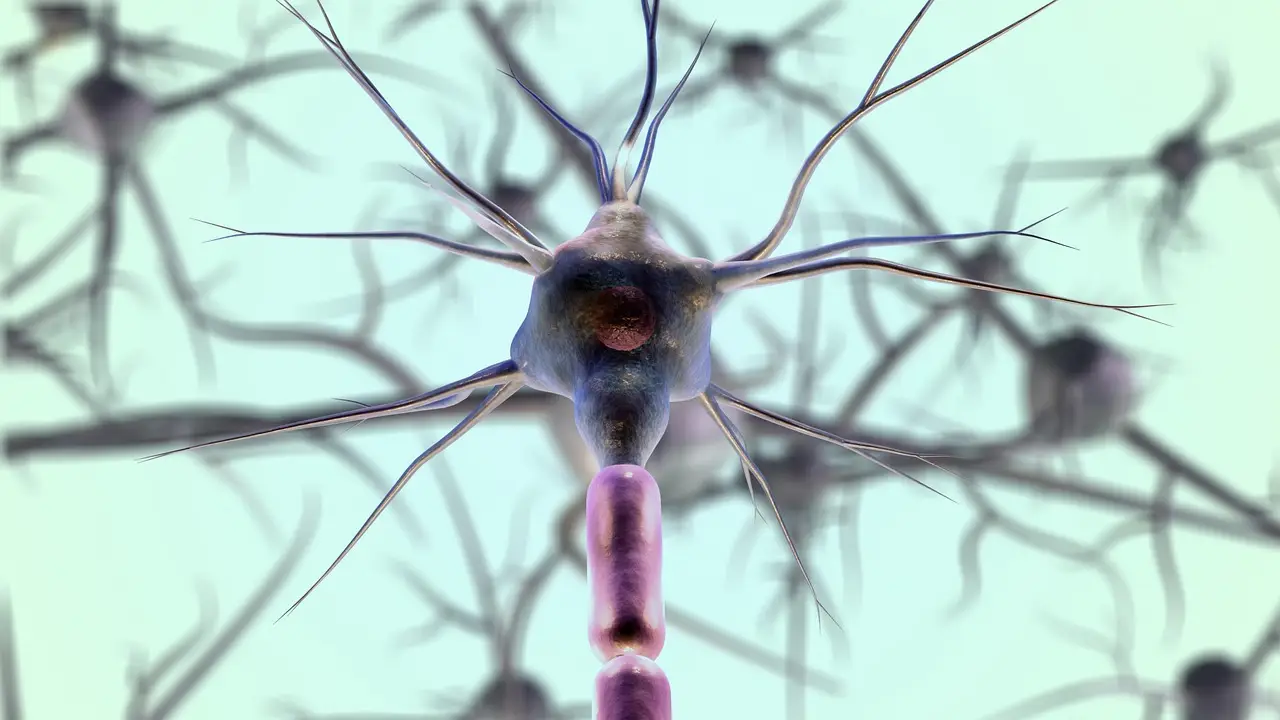
Precision Neuroscience has raised $250 million in a Series D funding round to advance its brain-computer interface technology, one of the largest single financing rounds reported to date in the implantable BCI sector.
The round signals continued investor appetite for intracranial recording technologies that sit at the intersection of neurosurgery, clinical neurophysiology and restorative medicine. Precision Neuroscience is developing a brain-computer interface intended to record neural activity directly from the cortical surface — an approach that places it among the companies working to translate high-resolution brain signals into control of external devices for patients with severe motor impairment.
What does the funding enable?
The $250 million Series D proceeds are earmarked for advancing the company's brain-computer interface technology. For clinical neurophysiologists, the development path matters as much as the money: surface-of-brain electrode arrays of the type Precision is building are conceptually related to ECoG, the electrocorticographic modality already used in epilepsy monitoring units for seizure localization.
The distinction for readers of this site is straightforward:
- ECoG in current practice is FDA-cleared diagnostic instrumentation, used presurgically in drug-resistant epilepsy.
- Precision's interface is an investigational device under development, not a cleared clinical product, and the company's claims should be read against that status.
- The $250 million will fund continued development of the technology rather than an immediate clinical rollout.
Where does this fit in the BCI field?
Precision Neuroscience operates in a competitive field where several companies are racing to build implantable interfaces that decode cortical signals with enough fidelity to restore function — typing, cursor control, speech — for paralyzed patients. The Series D round positions the company with substantial capital to advance its platform through the engineering and regulatory stages that separate laboratory demonstrations from approved therapies.
The recording modality is the technical heart of any BCI claim. Approaches based on cortical surface arrays, as opposed to single-unit penetrating electrodes or non-invasive scalp EEG, trade spatial resolution against invasiveness and chronic durability — a balance that will determine how these devices perform in long-term human use.
What should monitoring-unit and reading-room practice take from this?
Nothing changes clinically today. The funding is a development-stage event. But neurophysiology teams should track the field for two reasons: BCI companies are building on signal-acquisition and interpretation methods rooted in clinical neurophysiology, and future trials of such devices will require exactly the expertise found in epilepsy monitoring units and intraoperative mapping programs — electrode placement validation, signal-quality assessment, and interpretation of cortical recordings.
Investors are effectively underwriting the translation of cortical recording from a diagnostic tool into a therapeutic platform. That translation will still have to clear investigational-device exemptions, human-subjects safety data, and eventually FDA review before any of this reaches routine care.
The Series D capital gives Precision Neuroscience the runway to move its interface through those next stages; whether the technology reaches patients will depend on the human data those stages produce.
Based on
Priya Raman
Show full bio
Market editor covering regulation, policy and their impact on Clinical neurophysiology and EEG interpretation at EEG Signal.