Chinese Team Builds 1-Gram Wireless Mesoscale Microscope for Neuroscience
Chinese scientists report a 1-gram wireless mesoscope billed as the world's lightest, aimed at neuroscience and BCI research. Specs and peer-reviewed data remain unpublished.
Updated
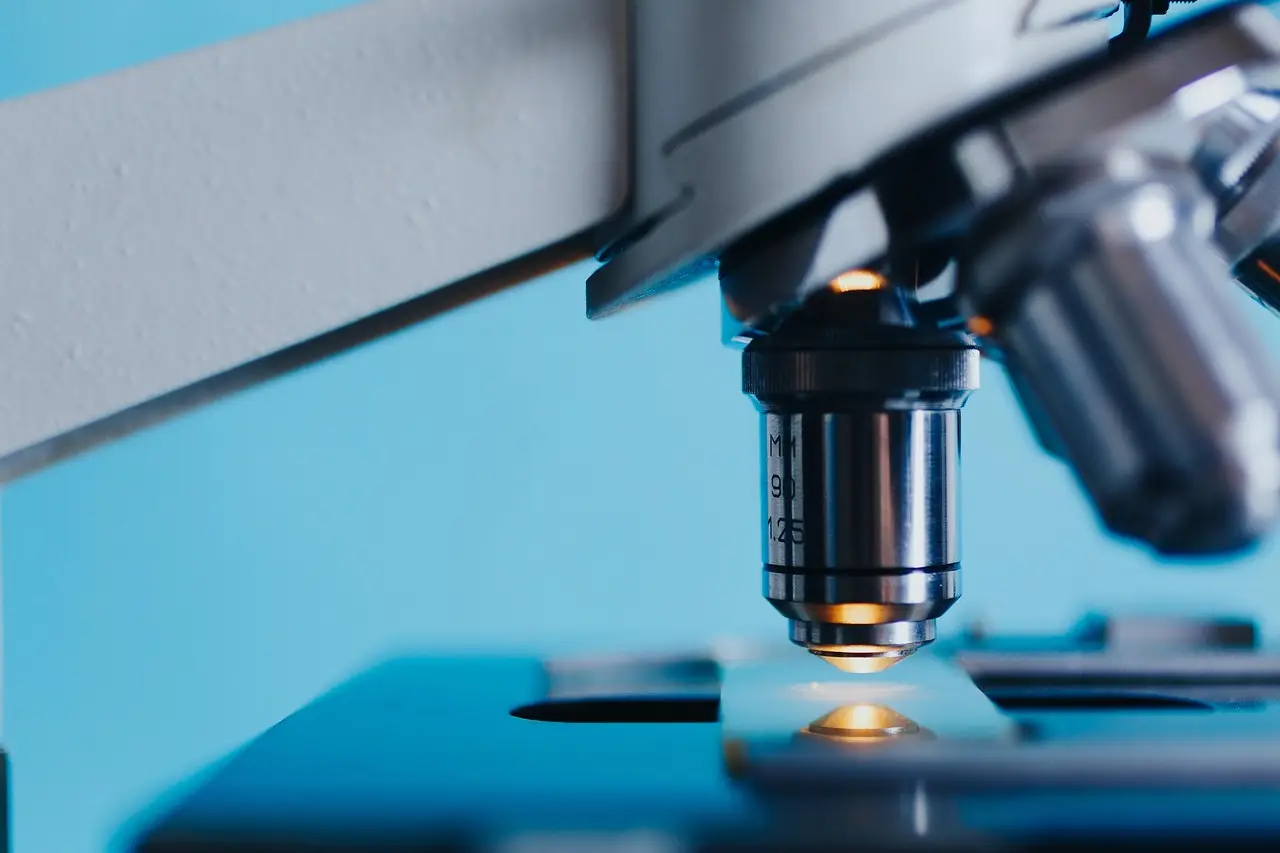
A team of Chinese scientists has developed a wireless mesoscale microscope weighing 1 gram, which the developers describe as the lightest device of its type in the world, according to Global Times.
The announcement matters for anyone tracking minimally invasive neural recording hardware. Weight is the binding constraint in freely moving animal neurophysiology. A 1-gram headborne device changes what behavioral paradigms remain viable during imaging.
Note what this is not. It is not a scalp EEG system, not an ECoG array, and not an FDA-cleared clinical device. A mesoscale microscope images neural populations at intermediate spatial resolution — between single-cell microscopy and whole-brain imaging. The wireless design targets unrestrained subjects, where tethered rigs distort natural behavior.
Why weight dominates this design space?
Every gram on an animal's head alters movement, grooming, and social interaction. Miniature fluorescence microscopes have shrunk steadily over the past decade, and each reduction widens the set of experiments a lab can run.
At 1 gram, this device sits at the extreme low end of reported systems. The claim of "world's lightest" comes from the developers as reported by Global Times; no independent benchmarking appears in the available reporting.
What does this mean for BCI research?
The developers position the microscope as a tool for brain-computer interface research, not as a BCI product. That distinction deserves emphasis in any coverage. No decoding performance, bandwidth, channel count, or human-subject data appears in the source reporting.
For BCI labs, the relevance is upstream: better imaging of neural population activity in moving animals feeds the signal corpora on which decoders train. Any clinical translation would require extensive human validation, regulatory review, and — in the U.S. context — FDA clearance, none of which is on the table here.
How should readers calibrate the claim?
Three cautions apply:
- The report is an announcement of a research instrument, not a peer-reviewed data disclosure that Global Times summarizes in detail.
- "World's lightest" is a developer claim without a cited comparison field.
- No specification sheet — field of view, frame rate, wavelength, recording duration — accompanies the report.
For clinical neurophysiology readers, the practical takeaway is limited but real. This is preclinical, animal-side instrumentation. It does not change monitoring-unit or reading-room practice today. It signals where the hardware frontier sits, and how quickly the mass budget of neural imaging is collapsing.
Whether the device ships to international labs, and at what specifications, will determine whether the 1-gram mark becomes a reference point or a footnote.
Based on
Marcus Bennett
Show full bio
Staff writer covering technology and product news in Clinical neurophysiology and EEG interpretation at EEG Signal.