First U.S. Implant of Epiminder Minder System Reported
Epiminder reports the first U.S. implant of its Minder System in a one-line Medical Product Outsourcing notice; no site, operator, patient, or regulatory pathway disclosed.
Updated
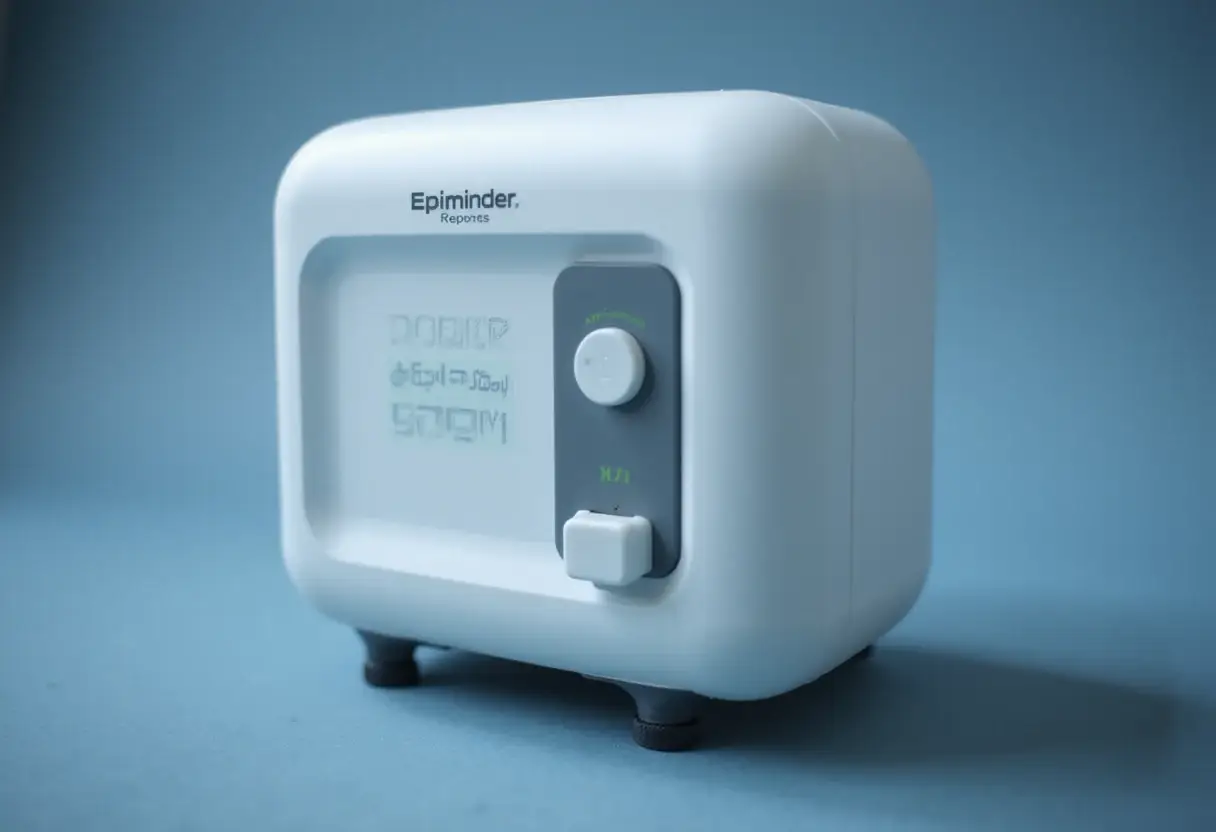
The first U.S. implant of Epiminder's Minder System has been recorded, according to Medical Product Outsourcing. The trade publication carried the milestone in a single-line item — a format that matches the depth of disclosure.
The headline is the full extent of disclosed detail. Epiminder has not released the implanting institution, the operating clinician, the recipient's age or seizure type, or the regulatory pathway that authorized the procedure. Readers expecting cohort figures, adverse-event counts, or a follow-up schedule will find none in the reporting.
What the notice does establish is procedural. A U.S. surgeon has placed the device in a U.S. patient. That single act shifts the Minder System from clearance to bedside practice on American soil.
What does a "first implant" actually signal?
The phrase carries a defined meaning inside the device community. A first implant is the threshold event that converts an authorized product into an instrument with live human data. Before the procedure, even a fully cleared device is still a paper artifact. After it, the manufacturer begins accumulating real-world experience, the implanting team settles into a procedural rhythm, and reimbursement questions move from theoretical to concrete.
The announcement does not identify which pathway brought the device to this point. Readers cannot determine from the headline alone whether the implant proceeded under an FDA-approved indication, an investigational device exemption, a continued-access protocol, or a humanitarian provision. Each route carries different implications for eligibility, billing, and outcome reporting.
What changes for epilepsy monitoring units?
Epilepsy monitoring units have spent years waiting for devices that record seizure activity beyond the hospital bed. Scalp video-EEG remains the diagnostic mainstay, and its reach ends when the patient walks out. Implantable systems in this category promise continuous ambulatory recording across weeks rather than hours, which changes the diagnostic calculus for patients whose events arrive unpredictably.
The Minder System's exact place in that workflow is not stated in the public notice. The announcement does not specify recording modality (single-channel versus multi-lead), data transmission method, or the read-out pathway that delivers captured events to the epileptologist. Without those details, monitoring-unit teams cannot yet plan integration with existing review software.
What remains unknown?
Several practical questions remain unanswered:
- The implanting institution and operating surgeon
- The patient population enrolled (adult, pediatric, drug-resistant focal, generalized)
- The follow-up interval for any forthcoming safety summary
- Whether the implant connects to a pivotal trial, a registry, or commercial launch
- Where the EEG data ultimately lands (cloud platform, clinician portal, both)
What to watch next
The first implant typically precedes, by weeks or months, a more complete company disclosure. Readers should expect a fuller release naming the clinical site, the operator, and any early safety signal. Conference presentations tend to follow, particularly at the American Epilepsy Society meeting in late November and the American Academy of Neurology in the spring.
For now, the news fits on a single line. It is the line the field has been waiting to read.
Based on
Source: Google News: Epilepsy monitoring.
Elena Vasquez
Show full bio
News editor covering people, launches and day-to-day practice in Clinical neurophysiology and EEG interpretation at EEG Signal.