Neuralink Implants Its First Brain Chip in a Human
Neuralink has implanted its brain-computer interface in a human for the first time, Scientific American reports. One device, one patient, and no published data yet — the evidence starts now.
Updated
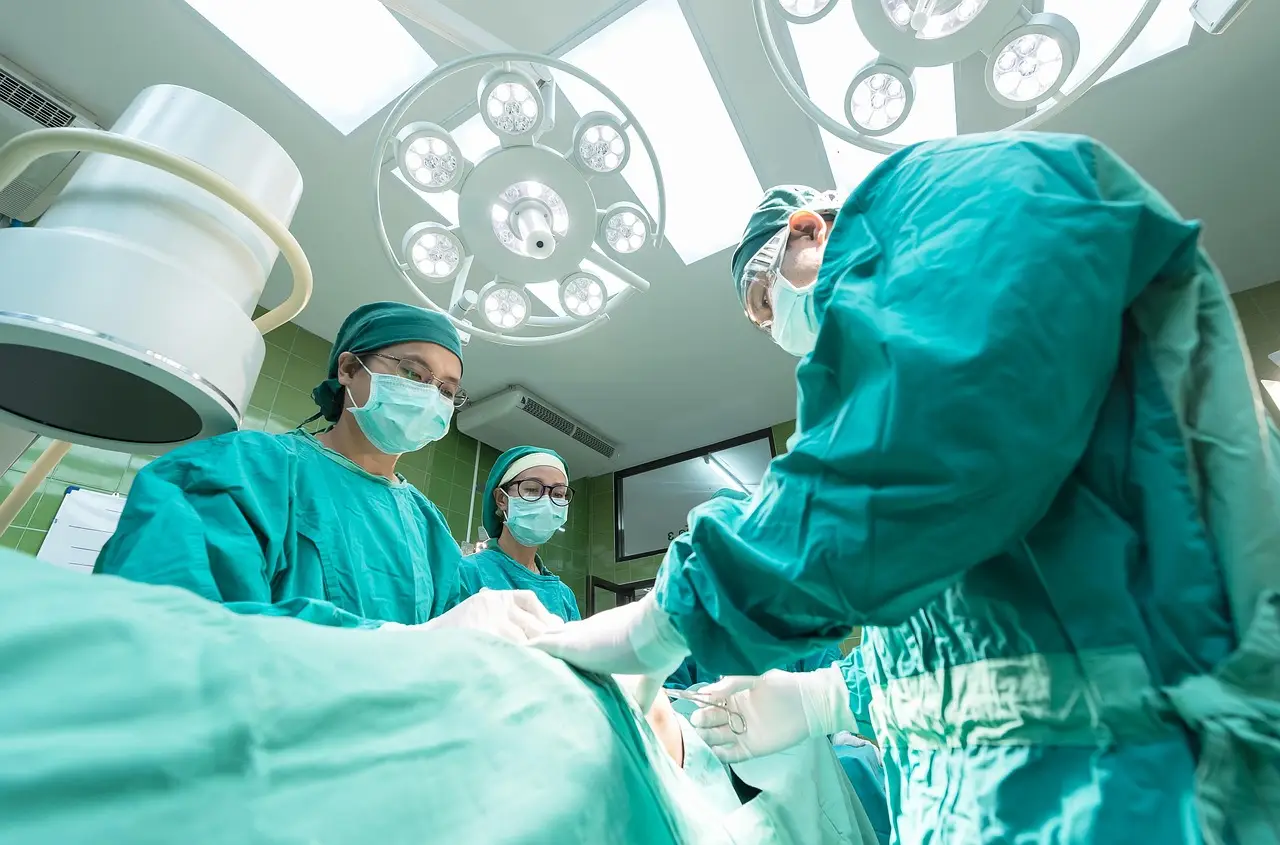
Neuralink has implanted its brain-computer interface in a human for the first time, according to a report from Scientific American. That single sentence contains everything confirmed and everything unresolved: a device is inside a living human skull, and almost nothing is yet known about what it is doing there.
For readers of this site, the event demands immediate sorting into its proper bins. This is an investigational implant. It is not an FDA-cleared clinical tool, not a monitoring-room option, and not something a reading neurologist will encounter on a worklist. It is a first-in-human milestone in the most literal sense: one device, one patient, zero published results.
What Was Actually Announced?
Scientific American's headline poses the honest question — what's next? — and the honest answer is that the announcement itself is the news. Elon Musk's company has crossed from animal work into human implantation. No performance data, no signal-quality metrics, no trial enrollment figures accompanied the initial report.
That restraint matters. In the BCI field, the gap between an implantation event and a demonstrated capability is where most public confusion lives. An electrode array sitting in cortex is a surgical fact. Decoding neural signals into useful output — cursor control, speech synthesis, motor restoration — is a scientific result. The first does not imply the second, and the second is what Clinical Neurophysiology readers would need before forming any judgment.
What Does This Change for the Clinical Neurophysiology Community?
In practical terms: nothing yet, and that is the correct answer. No scalp EEG protocol changes. No intracranial monitoring workflow changes. No epilepsia surgery program should expect inquiries about this device beyond the curious patient asking whether an implant can read thoughts. It cannot, and it has not been claimed to.
What the event does change is the competitive and regulatory temperature. First-in-human implantation is the gate every BCI sponsor must pass, and Neuralink has now passed it. The relevant precedents in this space — Utah-array implants in patients with spinal cord injury, decades of electrocorticography work in epilepsy surgery candidates — established that intracortical recording in humans is feasible and, in research settings, productive. Neuralink's entry adds a commercially ambitious contender with a flexible-thread electrode design that distinguishes it from the rigid arrays of earlier trials.
Whether those threads record durably, safely, and at useful bandwidth in a human brain is now the only question that matters. Animal data cannot answer it. Only time and disclosed results can.
The Reading-Room View
Consider what an electrophysiologist actually wants from an implantable interface: stable chronic recordings, channel counts that survive months of gliosis, and a safety profile that justifies the craniotomy. Those are empirical questions. They will be answered by follow-up data from this first patient and from whatever cohort follows, or they will not be answered at all.
The history of this field counsels patience with a raised eyebrow. Impressive demonstrations have a long shelf life; replicated, peer-reviewed clinical benefit has a much shorter supply. Musk's companies are known for announcement velocity. Neuroscience is known for the opposite.
What Comes Next
Scientific American frames the story as a beginning, and that framing survives scrutiny. The milestones to watch are concrete: first published signal recordings from the implanted patient, first demonstration of intended control output, first safety follow-up at the intervals regulators require, and confirmation of whether a trial cohort expands beyond this single participant.
Until those arrive, the professional posture is simple. Note the event. File it under first-in-human. Resist the temptation to extrapolate from one implant to a clinical modality.
The chip is in. The evidence is not.
Based on
Elena Vasquez
Show full bio
News editor covering people, launches and day-to-day practice in Clinical neurophysiology and EEG interpretation at EEG Signal.