Paradromics and Siemens Healthineers Pair Up on Brain Imaging
Paradromics and Siemens Healthineers have announced a strategic initiative to build an advanced imaging foundation for brain-computer interfaces. No results yet — but the vendor pairing itself is a signal.
Updated
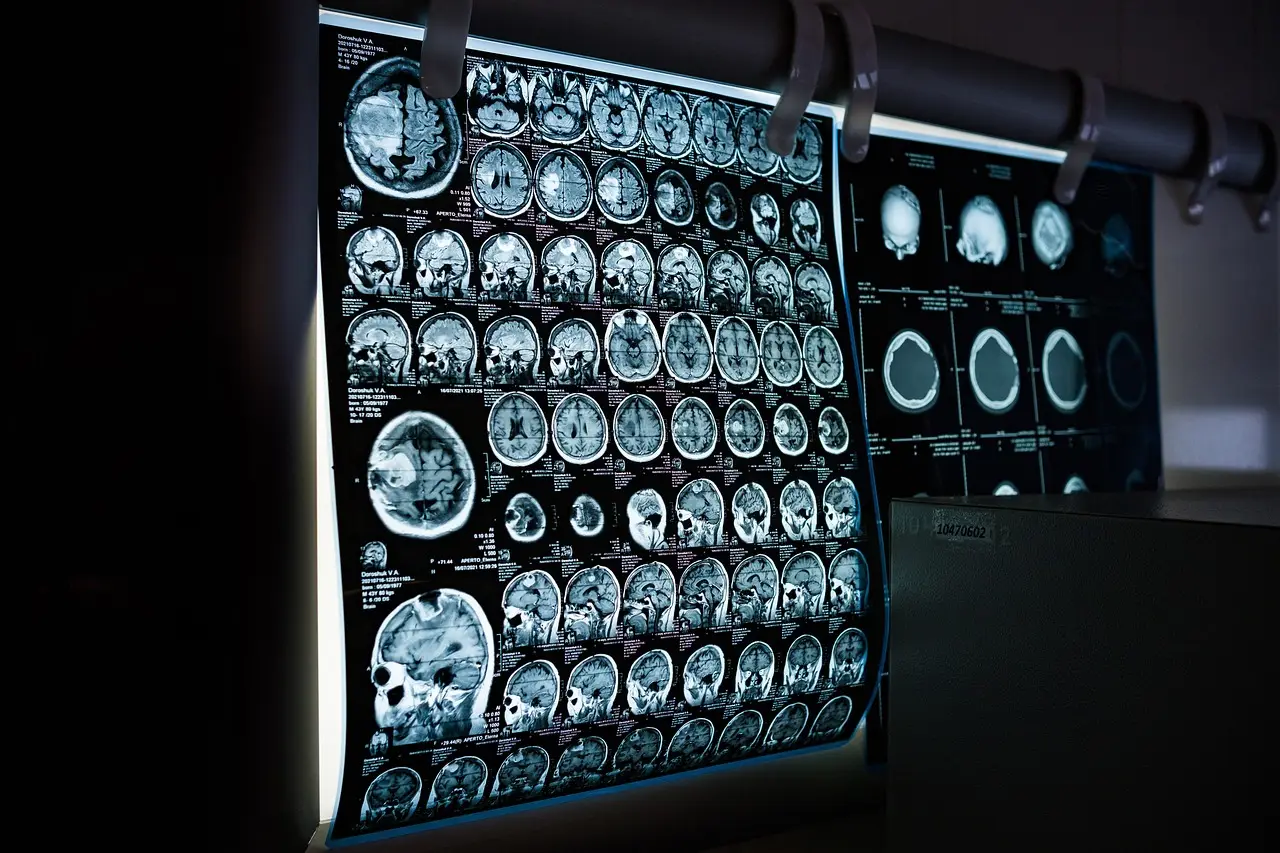
Paradromics and Siemens Healthineers have announced a strategic initiative to build what the two companies call an advanced imaging foundation for the future of brain-computer interfaces. That is the whole announcement, and it is worth taking seriously precisely because of who is making it.
One partner designs implantable neurotechnology. The other is among the largest medical imaging vendors in the world. When a company that sells MRI scanners to hospitals sits down with a company that builds devices intended to sit inside the skull, the reading room should take note.
What do we actually know?
The announcement, carried by the Rutland Herald, names no trial results, no patient counts, and no regulatory milestones. It states a direction: the parties intend to combine Paradromics' brain-computer interface work with Siemens Healthineers' imaging portfolio.
For an audience that spends its days with electrodes rather than coils, the practical logic is straightforward. Implantable BCIs of the sort Paradromics develops require precise anatomical targeting. That targeting depends on structural imaging — MRI above all — for electrode placement, surgical planning, and post-implant verification.
The collaboration, as described, aims to strengthen that imaging layer rather than the decoding layer. In other words, this is a story about what happens before the first spike is ever recorded.
Why imaging sits upstream of every BCI claim
Any intracranial recording is only as good as its anatomical ground truth. ECoG arrays and depth electrodes are placed against anatomy that imaging defines. If the imaging foundation improves, electrode localization improves, and downstream signal interpretation inherits the gain.
This is the unglamorous part of neurotechnology. Decoding algorithms attract the headlines. Coil sequences, distortion correction, and tissue contrast attract procurement committees. Both matter, and only one of them is on sale this quarter.
A vendor-level partnership suggests the two companies see a durable clinical pipeline ahead — enough implanted devices, or planned devices, to justify building shared infrastructure. Companies do not establish strategic initiatives for markets they expect to remain small.
What does this change for the monitoring unit?
In the near term, very little. There is no cleared product, no updated protocol, and no new indication described in the announcement. Epilepsy monitoring units and intraoperative mapping programs will continue with their current workflows.
What it may change, over years rather than months, is the standard of anatomical information available to programs that refer patients for implantable neurotechnology. If Siemens Healthineers builds BCI-relevant imaging capabilities into mainstream platforms, those capabilities will not remain exclusive to research consortia for long.
Clinical neurophysiology has watched this pattern before. Intraoperative MRI, once a research novelty, became a surgical-suite fixture. High-density EEG caps followed the same road from lab to clinic. The imaging that supports implanted brain devices appears to be queueing for the same trip.
The caveat that belongs in every paragraph
This is a corporate announcement, not a study. No human data, no animal data, no device specification, and no FDA pathway appear in the source material. Any claim stronger than "the companies intend to work together" would exceed what has been published.
That restraint is the correct posture. The field of brain-computer interfaces has no shortage of enthusiasm and a modest supply of replicated clinical results. Announcements of this kind are best read as commitments of capital and attention — real signals, but not evidence.
What will tell the story is the first concrete output: a jointly developed imaging protocol, a publication with patient numbers, or a regulatory filing. Until one of those appears, the appropriate response is professional interest and a wait for the actual specifications.
Based on
Elena Vasquez
Show full bio
News editor covering people, launches and day-to-day practice in Clinical neurophysiology and EEG interpretation at EEG Signal.