Siemens Healthineers Teams With Paradromics on BCI Imaging
Siemens Healthineers will build a new imaging system to support Paradromics' implantable brain-computer interface program, the companies announced.
Updated
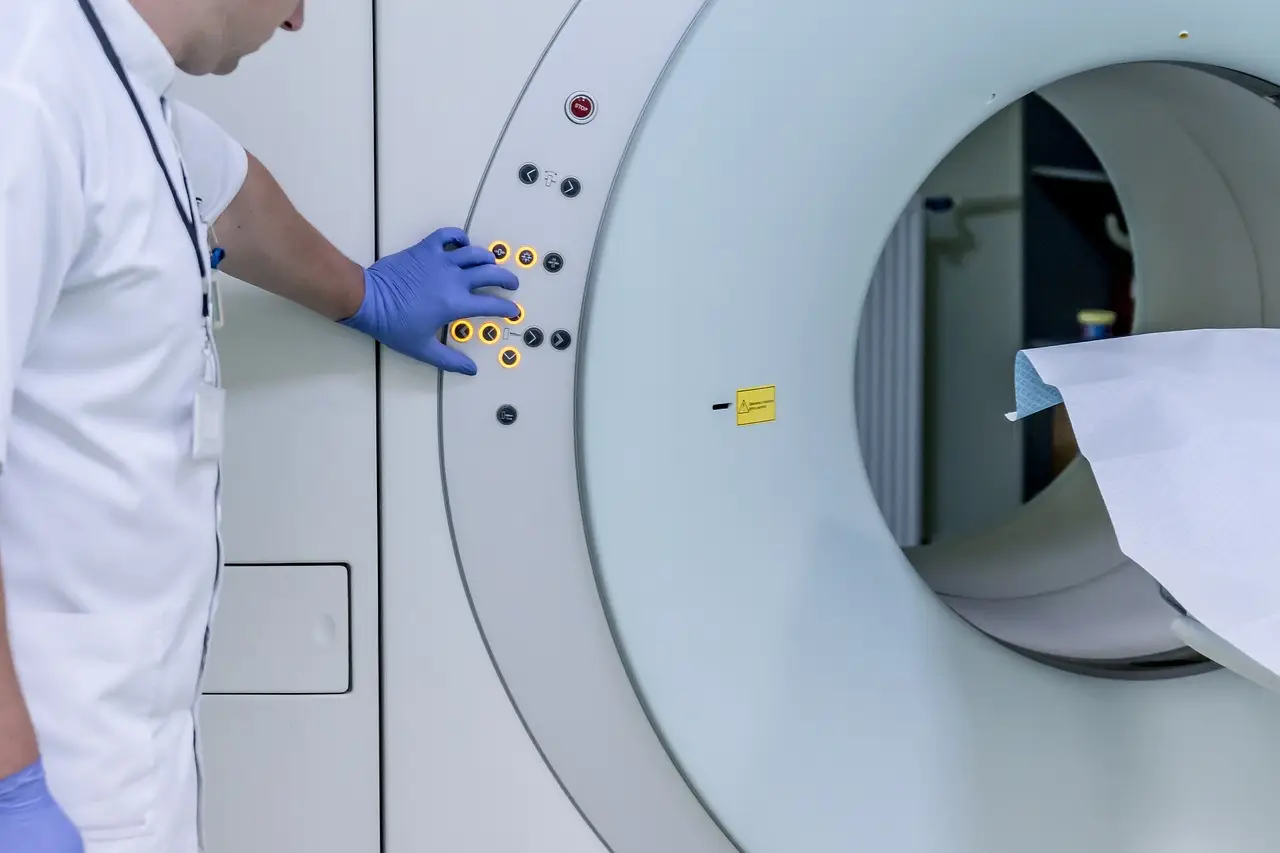
Siemens Healthineers has announced a partnership with Paradromics to develop a new imaging system designed to support brain-computer interfaces (BCIs, devices that record neural signals and translate them into external outputs such as cursor control or speech synthesis).
The collaboration pairs one of the world's largest medical imaging manufacturers with Paradromics, a privately held BCI company known for developing implantable, high-channel-count neural interfaces intended for patients with severe neurological impairment. Under the agreement, Siemens Healthineers will build out new imaging capability specifically oriented to the needs of BCI development and deployment.
What do we know about the deal?
The companies disclosed the partnership through a joint announcement reported by Fierce Biotech. The core commitment is concrete: Siemens Healthineers will construct a new imaging system, rather than adapt an existing product line, to support the BCI field.
Neither company has yet published technical specifications for the system, including imaging modality, resolution targets, or integration pathway with Paradromics' intracranial recording hardware. Financial terms of the agreement were not disclosed.
Why imaging matters for implantable BCIs
Implantable BCI platforms such as those Paradromics develops depend on precise anatomical localization before and during electrode placement. Pre-surgical imaging — typically structural MRI and CT — guides surgeons to target regions and helps map expected tissue-electrode relationships. A dedicated imaging workflow built around BCI hardware could shorten that pipeline.
Paradromics' lead device is an investigational implant designed to record from large populations of neurons through arrays placed directly on or in the cortex (the brain's outer layer of neural tissue). The company has positioned its technology toward restoring communication and movement in patients with paralysis, amyotrophic lateral sclerosis, and related conditions.
Readers should note the regulatory distinction: Paradromics' implants remain investigational devices, not FDA-cleared products, and the new Siemens imaging system described in the announcement is likewise a development-stage project rather than a commercially available clinical platform.
Who are the partners?
Siemens Healthineers, headquartered in Erlangen, Germany, supplies MRI, CT, and angiography systems to hospitals worldwide. Paradromics, based in Austin, Texas, has raised substantial venture backing to develop its Connexus implant platform and has conducted human feasibility work under regulatory approvals for early-stage trials.
For clinical neurophysiology teams, the near-term relevance is indirect. The partnership signals that large imaging vendors see BCI programs as a durable clinical category — one that will require coordinated imaging, surgical planning, and intracranial neurophysiology rather than standalone device development.
What comes next?
The companies have not announced a timeline for system delivery, a regulatory pathway, or clinical trial integration. Further technical detail — imaging modality, spatial resolution, and compatibility with intracranial recording arrays — will determine whether the system becomes a practical tool in epilepsy monitoring units and BCI operating rooms, or remains a development collaboration.
Additional disclosures from Siemens Healthineers and Paradromics are expected as the program matures.
Based on
Priya Raman
Show full bio
Market editor covering regulation, policy and their impact on Clinical neurophysiology and EEG interpretation at EEG Signal.