Paradromics Joins Siemens Healthineers to Sharpen BCI Implant Targeting
Paradromics and Siemens Healthineers have partnered to improve targeting of brain-computer interface implants, combining Paradromics' intracortical platform with Siemens imaging.
Updated
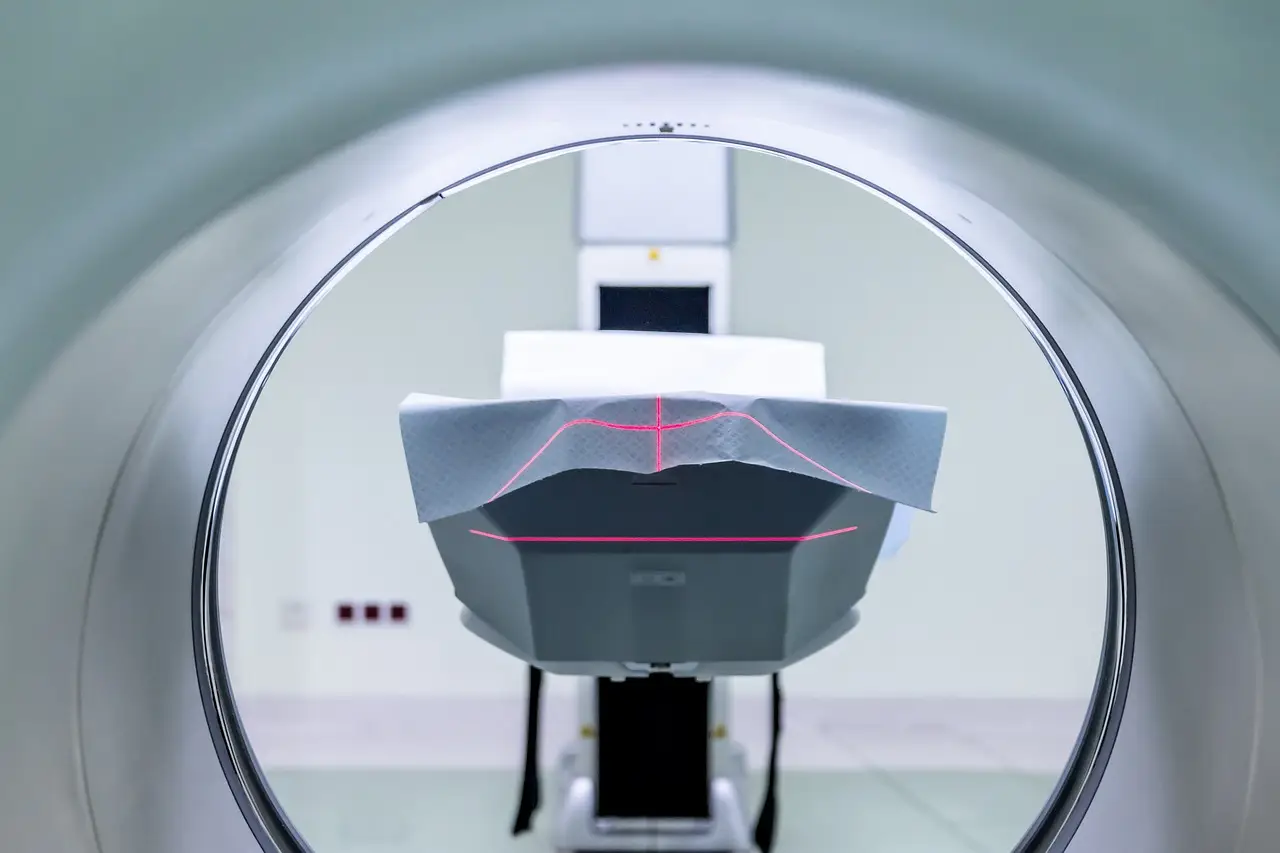
Paradromics has partnered with Siemens Healthineers to improve how clinicians target brain-computer interface implants, the two companies announced. The collaboration links Paradromics' intracortical BCI platform with Siemens Healthineers' imaging and surgical navigation technology.
The deal pairs a medical device developer with an imaging incumbent. Paradromics builds implantable brain-computer interfaces designed to record neural activity directly from cortical tissue — intracranial, high-channel-count recordings rather than scalp EEG. Siemens Healthineers supplies the imaging workflow that neurosurgical teams already use to plan and guide cranial procedures.
What problem does targeting solve?
Implant placement sits at the center of every intracranial BCI procedure. Electrode arrays must reach the intended cortical tissue precisely, because signal quality depends on where the contacts land. Errors in targeting degrade the recorded neural signals and, with them, the performance of any decoder built on those signals.
Better targeting also matters for patient safety. Each additional correction or revision during implantation adds operative time and risk. Sharper preoperative planning and intraoperative guidance can reduce that margin.
For clinical neurophysiology teams, the practical stakes are straightforward: an array placed accurately yields cleaner, more stable single-unit and local field potential data for the life of the implant. That stability shapes what a BCI system can decode and how long it stays useful to the patient.
How would the partnership work?
The companies intend to combine Paradromics' implant technology with Siemens Healthineers' imaging capabilities. According to the announcement, the goal is to sharpen the targeting of BCI implants — improving the match between where clinicians aim and where electrodes actually end up.
The collaboration remains an industry partnership rather than a published clinical trial. No study results, patient cohort data, or regulatory milestones accompanied the announcement. Readers should treat the targeting improvements as an engineering objective, not a demonstrated clinical outcome.
Paradromics' platform is an investigational, implantable device; the announcement did not state FDA clearance status for the combined workflow. Siemens Healthineers' imaging systems, by contrast, are established, cleared tools already deployed in neurosurgery suites.
In plain terms: the partnership tries to make sure the electrode goes exactly where the surgical plan says it should.
Who are the players?
Paradromics develops high-bandwidth implantable brain-computer interfaces aimed at patients with severe neurological impairment. Its devices sit on the investigational side of the field, with human work subject to regulatory oversight.
Siemens Healthineers, the Erlingen-headquartered imaging and diagnostics company, brings installed imaging infrastructure across hospitals worldwide. Its modalities anchor preoperative planning in neurosurgery today.
What should neurophysiology readers watch?
For monitoring-unit and reading-room teams, the immediate relevance is indirect. Most BCI candidates undergo preoperative evaluation — often intracranial monitoring with stereo-EEG or subdural grids — before any permanent implant. Improved targeting workflows could eventually standardize how that evaluation feeds into BCI placement decisions.
The announcement offered no timeline, no clinical sites, and no financial terms. Whether the combined workflow reaches operating rooms as a cleared product or stays within investigational studies will determine its footprint in epilepsy and functional neurosurgery programs.
If the partnership delivers, the next measurable steps would be first-in-human procedures using the integrated targeting workflow — and published placement-accuracy data to show whether the collaboration improved what matters most: getting electrodes to the right cortex, the first time.
Based on
Tom Whitfield
Show full bio
Senior reporter covering people, launches and day-to-day practice in Clinical neurophysiology and EEG interpretation at EEG Signal.