Paradromics and Siemens Healthineers Partner on Brain-Computer Interface Imaging
Paradromics and Siemens Healthineers announced a strategic initiative to build advanced imaging infrastructure for brain-computer interfaces; terms and modalities remain undisclosed.
Updated
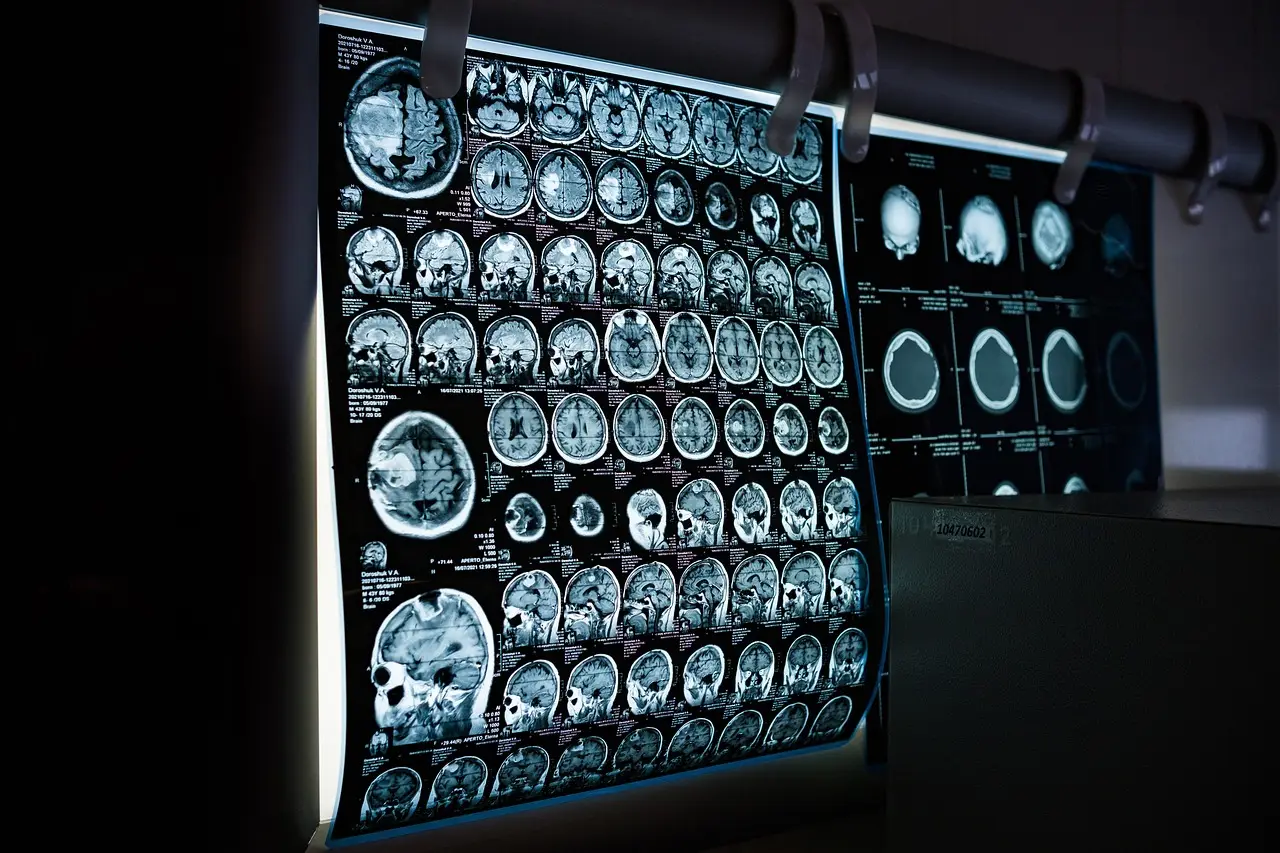
Paradromics has launched a strategic initiative with Siemens Healthineers to build an advanced imaging foundation for brain-computer interfaces (BCIs, devices that record or modulate neural activity to drive external systems). The companies announced the collaboration on BioSpace. Neither party has yet published the financial terms, the imaging modalities to be prioritized, or a project timeline.
The partnership pairs two distinct capabilities. Paradromics develops implantable neurotechnology aimed at patients with severe neurological conditions; its devices are intended to interface directly with brain tissue. Siemens Healthineers supplies clinical imaging infrastructure used across radiology and neurosurgical planning. The stated goal of the initiative is to establish imaging as a foundational element for the future of BCI development and deployment.
What does the collaboration change for clinical practice?
For neurologists, epileptologists and neurophysiologists, the immediate practical question concerns patient selection and electrode targeting. Implanted BCIs, like the intracranial electrodes used in epilepsy monitoring, depend on precise anatomical localization. High-resolution structural imaging guides where arrays are placed, how tissue is avoided or engaged, and how signals recorded from the cortex are interpreted against individual anatomy.
If the Paradromics-Siemens Healthineers program standardizes that imaging workflow, the likely consequences for reading-room and monitoring-unit practice include:
- Tighter coupling between pre-surgical imaging protocols and BCI implant planning
- Imaging datasets that support interpretation of chronic intracranial recordings
- Possible convergence with existing stereoelectroencephalography (SEEG, depth-electrode EEG) planning pathways used in epilepsy units
The announcement does not state which imaging modalities fall within the initiative's scope. Siemens Healthineers' portfolio spans magnetic resonance imaging, computed tomography, molecular imaging and advanced visualization software, but the companies have not confirmed which of these the collaboration will employ.
Investigational stage, regulatory status unspecified
Paradromics' implantable technology remains investigational insofar as the announcement describes it. The press material does not claim U.S. Food and Drug Administration clearance for any specific Paradromics device, and readers should treat clinical applications described here as development-stage work rather than cleared monitoring or therapeutic tools. No animal or human trial data accompanies the announcement.
That absence matters for a neurophysiology audience. A strategic imaging partnership signals engineering and infrastructure intent, not evidence of efficacy. Claims about what a BCI can decode, and with which recording method, require published study data — scalp EEG, electrocorticography (ECoG, direct cortical surface recording) or single-unit arrays — and none accompanies this announcement.
Competitive context
The collaboration places Paradromics within a broader field of companies building implantable interfaces for medical indications, including restoration of communication and movement for patients with paralysis or amyotrophic lateral sclerosis. Imaging partnerships of this kind aim to shorten the path from investigational device to routine clinical deployment by anchoring implant planning in established radiological workflows.
Siemens Healthineers brings installed-base reach: its imaging systems and software already sit in thousands of hospitals, which could ease eventual integration of BCI planning into standard neurosurgical and neurology pipelines. Whether that integration materializes, and on what regulatory timeline, will depend on device milestones the companies have not yet disclosed.
What comes next
The companies say the initiative will support the long-term development of brain-computer interface technology, with imaging positioned as core infrastructure rather than an adjunct. Concrete next steps to watch include named imaging modalities, regulatory submissions, and any clinical study protocol linking imaging outputs to implanted device performance.
Based on
Olivia Hart
Show full bio
Correspondent covering people, launches and day-to-day practice in Clinical neurophysiology and EEG interpretation at EEG Signal.