Paradromics and Siemens Healthineers Partner on Imaging for BCIs
Paradromics and Siemens Healthineers have launched a strategic initiative to build an advanced imaging foundation for implantable brain-computer interfaces. Terms and modalities remain undisclosed.
Updated
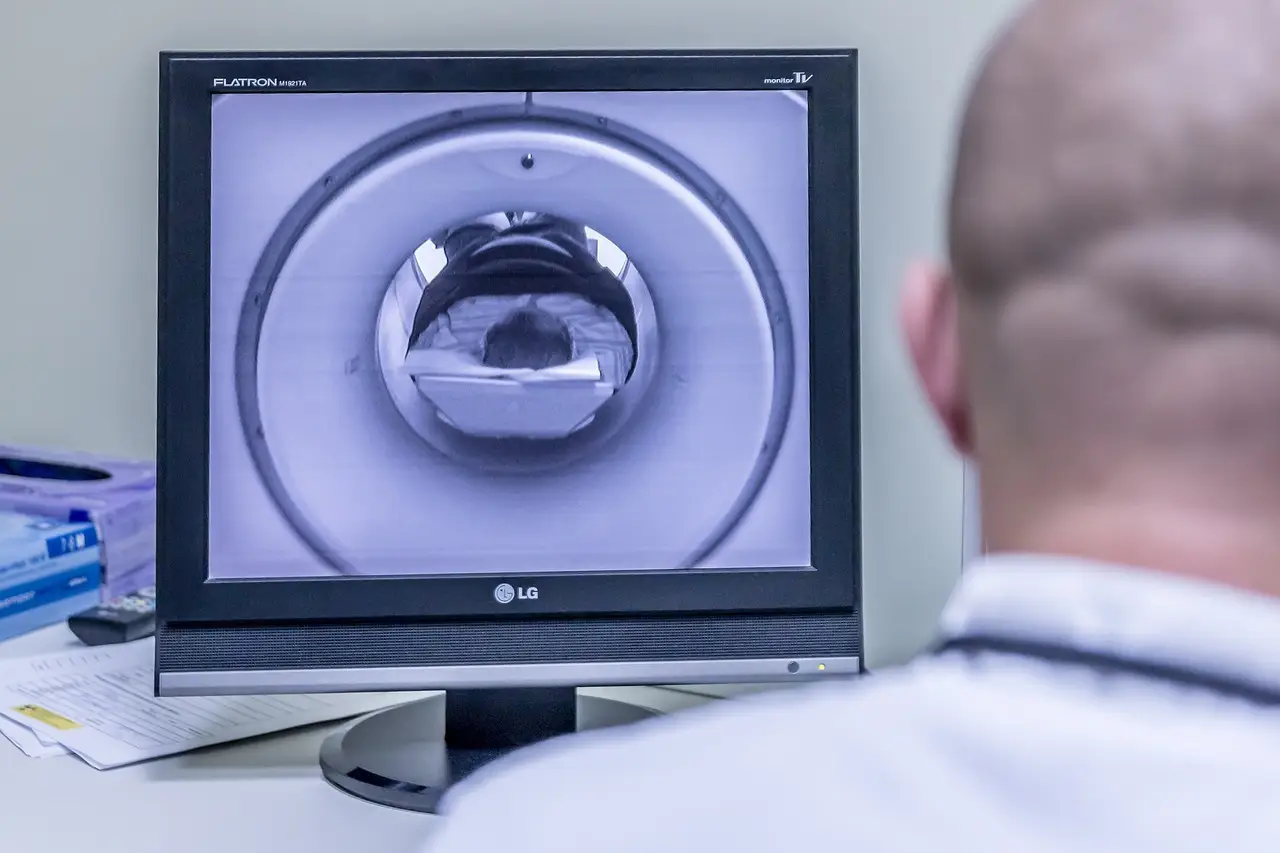
Paradromics and Siemens Healthineers have launched a strategic initiative to build an advanced imaging foundation for the future of brain-computer interfaces (BCIs), the two companies announced. The collaboration pairs an implantable neurotechnology developer with one of the world's largest medical imaging manufacturers, and it signals that high-resolution brain imaging is moving to the center of BCI development.
The announcement itself is short on clinical specifics. Neither company disclosed the financial terms of the arrangement, a target timeline for deliverables, nor the imaging modalities the initiative will prioritize. What the partnership establishes, at minimum, is a formal channel between Paradromics — a company developing implantable BCI hardware — and Siemens Healthineers' imaging portfolio, which spans magnetic resonance imaging, computed tomography, and molecular imaging platforms.
What does the initiative actually cover?
According to the announcement, the initiative centers on building an imaging foundation for future BCI systems. In practice, that language points to the pre-surgical and device-planning workflow. Implantable interfaces of the kind Paradromics develops require precise anatomical mapping before electrodes are placed, and imaging quality directly shapes electrode targeting, surgical planning, and post-implant device verification.
The announcement does not state whether the work will produce:
- New imaging protocols specific to BCI implant candidates
- Software integration between Siemens imaging systems and Paradromics device planning tools
- Co-developed hardware or sequences optimized for imaging near implanted devices
Any of these would fit the stated scope, but readers should treat the specifics as undefined until the companies publish them.
Why imaging matters for implantable interfaces
Intracranial BCIs sit in a different category from scalp EEG or magnetoencephalography. They place electrode arrays directly on or in brain tissue, so the margin for error in localization is measured in millimeters. Structural imaging — chiefly MRI and CT — is what converts a surgical plan into a safe implantation, and it is what clinicians use to verify device position afterward.
A partnership with a major imaging manufacturer therefore addresses a real bottleneck. As implantable interfaces move toward broader clinical trials, the imaging workflow around each implant becomes a rate-limiting step, and standardized protocols could shorten planning time and reduce variability across sites.
The announcement, however, does not cite trial data, patient numbers, or regulatory milestones. Paradromics' devices should be treated as investigational unless the companies state otherwise, and no FDA clearance for a Paradromics BCI system is claimed in the released material.
What comes next
The initiative is framed as foundational rather than product-near. The companies say the work will support the longer-term future of brain-computer interfaces, which suggests multi-year development rather than an imminent clinical offering. For monitoring-unit and reading-room audiences, the practical question is whether this collaboration eventually yields imaging protocols or software tools that clinical teams can adopt — and on that, both companies will need to publish details before the announcement carries operational weight.
Based on
Priya Raman
Show full bio
Market editor covering regulation, policy and their impact on Clinical neurophysiology and EEG interpretation at EEG Signal.