Frontiers Editorial Charts Real-Time Magnetic Neurophysiology
A Frontiers editorial collects work on real-time magnetic neurophysiology, arguing magnetometry is nearing bedside neurodiagnostic relevance for epilepsy and monitoring units.
Updated
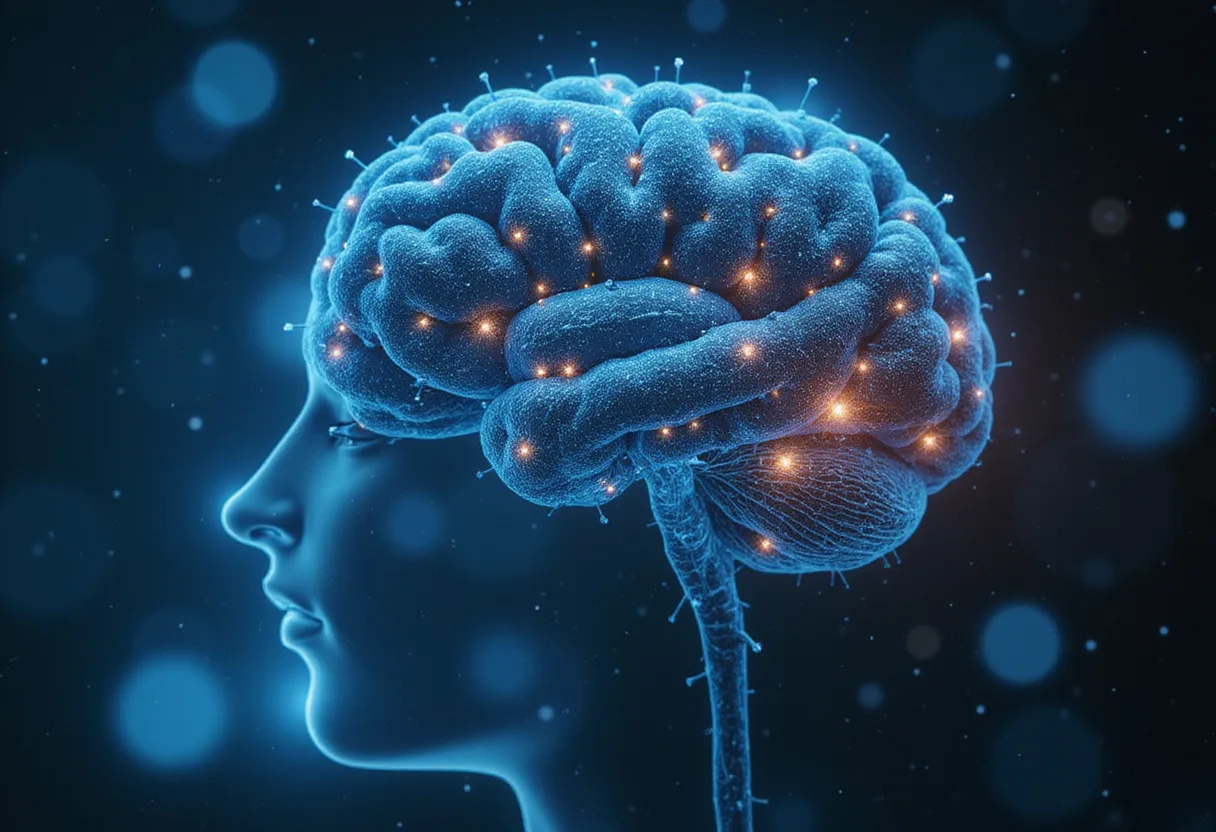
A new editorial in Frontiers frames magnetic neurophysiology as "the cutting edge of real time neurodiagnostic technology" and pulls together a research collection on where magnetic-field-based recording now stands relative to conventional electrophysiology.
The editorial's central claim is about timing. Magnetic methods for measuring brain activity — most familiarly magnetoencephalography, or MEG — have long carried a reputation as powerful but impractical: bulky shielding, cryogenic cooling, high cost, and operating-room-unfriendly form factors. The Frontiers collection exists because that reputation is under active revision. Editors of the collection argue that magnetic neurophysiology has reached the point where real-time, bedside-relevant neurodiagnostic use is a credible near-term goal rather than a laboratory aspiration.
For readers of scalp EEG, the clinical stakes are straightforward. MEG measures the magnetic fields generated by the same neuronal currents that produce the voltages recorded in scalp EEG, but those magnetic fields pass through skull and scalp with minimal distortion. In practice this yields better spatial localization of the generators than scalp EEG can offer, which is why MEG already holds an established place in presurgical evaluation of drug-resistant epilepsy — localizing interictal spikes and, increasingly, modeling ictal onset zones — and in mapping eloquent cortex before tumor resection.
The gap the editorial highlights is temporal and operational, not physical. Conventional whole-head MEG systems built around superconducting quantum interference devices, SQUIDs, can record with millisecond resolution, but the liquid-helium requirement, the shielded room, and the fixed dewar geometry limit where and when the measurement happens. A patient must come to the machine. Neonates, intensive-care patients, and intraoperative monitoring — settings where continuous neurophysiology matters most — remain largely out of reach for standard MEG hardware.
That constraint is what the "real time" framing in the editorial's title points toward. The research area now grouped under magnetic neurophysiology includes wearable and on-scalp sensor platforms, notably optically pumped magnetometers, which measure magnetic fields without cryogenics and can in principle be placed directly on the head. Whether such systems achieve diagnostic-grade recordings in clinical populations is a question the underlying research collection takes up, and readers should treat most wearable-magnetometry performance claims as investigational rather than cleared clinical tools. No FDA-cleared on-scalp magnetic system currently replaces routine EEG or standard MEG in monitoring-unit practice.
The editorial's significance for the reading room is therefore editorial in the true sense: it marks a field boundary. For clinical neurophysiologists, the practical takeaways are, first, that magnetic recording is converging with the use cases long owned by EEG and ECoG — seizure localization, functional mapping, continuous bedside monitoring of brain state — and, second, that the methodological literature will increasingly demand the same skeptical standards applied to any new modality: validated against established recording techniques, tested in the relevant patient cohorts, and shown to change management rather than merely produce prettier source images.
Because the available source consists of the editorial's title and publication venue rather than its full text, specific contributor names, article counts within the collection, and quantitative sensor specifications could not be verified for this report and are deliberately not asserted here.
What the editorial ultimately signals is an expectation that magnetic measurements of neural activity will move from the dedicated MEG suite toward point-of-care neurodiagnostics — and the coming years of that research collection's citation record will show whether real-time magnetic neurophysiology earns a place beside the EEG machines already in the ward.
Based on
Source: Google News: Neurodiagnostic.
Tom Whitfield
Show full bio
Senior reporter covering people, launches and day-to-day practice in Clinical neurophysiology and EEG interpretation at EEG Signal.