Mixture of Checkpoint Experts Brings Explainability to Wearable Seizure Detection
A Nature study proposes a mixture-of-checkpoint-experts deep learning framework that makes wearable seizure detection explainable, pairing each alert with traceable signal attributions.
Updated
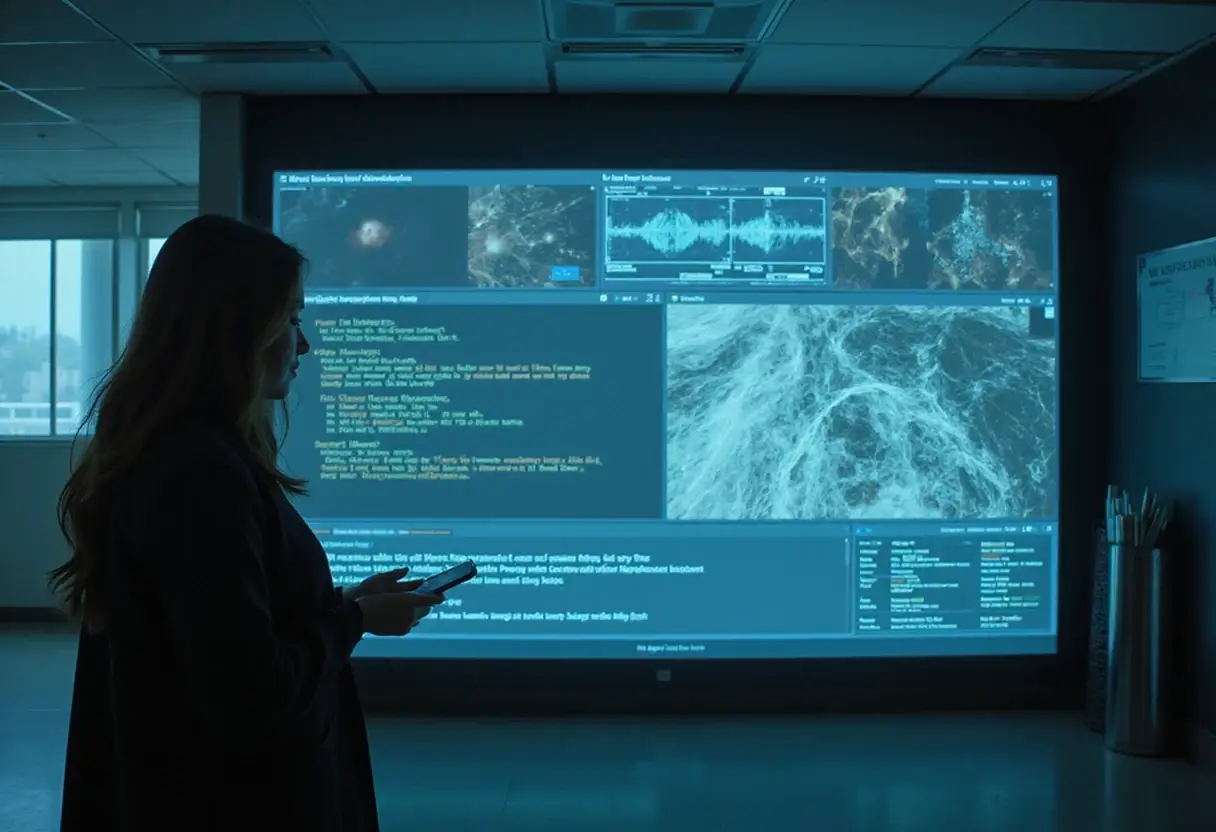
A study published in Nature introduces a "mixture of checkpoint experts" architecture designed to make seizure detection from wearable devices both accurate and explainable — a combination that has so far proven difficult in ambulatory epilepsy monitoring.
The work targets a persistent gap in outpatient seizure tracking. Wearable devices can record physiological signals continuously outside the epilepsy monitoring unit, but deep learning classifiers built on that data typically behave as black boxes. Neurologists reading an alert want to know which signal features drove the detection, and standard neural network checkpoints rarely provide that answer.
What does the checkpoint-expert approach change?
Rather than relying on a single trained model, the method pools multiple checkpoints saved during training and treats them as individual "experts." A gating mechanism then weighs each expert's contribution for a given input segment. Because each expert captures different features learned at different stages of training, the ensemble can expose which components contributed to a given seizure classification.
This design carries a direct practical implication for the reading room: detection outputs can be paired with attributions to specific signal characteristics, giving clinical reviewers a traceable basis for each alert rather than a bare probability score. That traceability matters for scalp-EEG-adjacent workflows, where electrographic evidence must justify clinical action.
Why explainability matters for wearables
Clinicians reviewing ambulatory data face a volume problem. Continuous wearable recordings generate days of signal per patient, and automated detectors must triage that stream. Unexplained false positives erode trust and can trigger unnecessary intervention; unexplained false negatives leave seizures uncounted, distorting drug-titration decisions and surgical evaluations.
The study's central claim is architectural: explainability and detection performance need not trade off against each other. By structuring the model as an ensemble of checkpoints with explicit weighting, the authors report a framework in which the decision path from input signal to output label remains inspectable at inference time.
What are the limits for clinical practice?
The publication describes an investigational method, not an FDA-cleared diagnostic system. Wearable seizure detection algorithms in current clinical use operate under device-specific regulatory clearance, and any checkpoint-experts pipeline would need to clear that bar — including validation against expert annotation — before entering routine monitoring workflows.
Readers should also note the distinction between wearable-derived physiological signals and the modalities that anchor definitive seizure localization: scalp EEG with full montage, intracranial EEG, and ECoG. Wearable detectors serve a complementary role — seizure counting and event flagging — rather than replacing electrographic classification in the epilepsy monitoring unit.
Where the field goes next
The study points toward a generation of ambulatory seizure detectors whose outputs clinicians can audit segment by segment. If subsequent validation confirms that checkpoint-expert attributions match expert-identified signal features, the approach could shorten review times for long-term wearable recordings and sharpen the evidentiary basis for remote seizure-frequency reporting in drug trials and routine follow-up alike.
Based on
Source: Google News: Epilepsy monitoring.
Priya Raman
Show full bio
Market editor covering regulation, policy and their impact on Clinical neurophysiology and EEG interpretation at EEG Signal.