Monument Health Opens Region's First Epilepsy Monitoring Unit
Monument Health has opened the region's first epilepsy monitoring unit, bringing continuous video-EEG seizure characterization to patients who previously faced referral to distant academic centers.
Updated
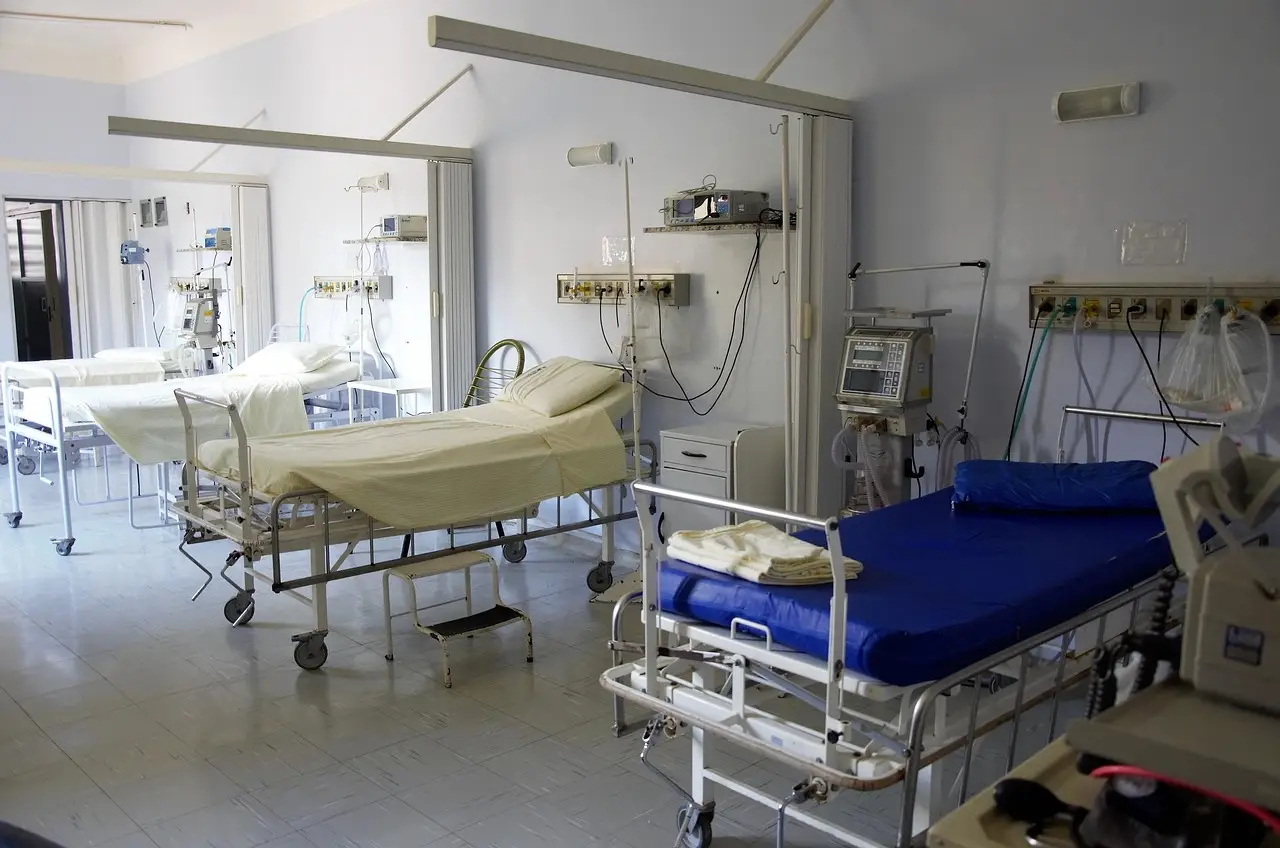
Monument Health has opened the region's first epilepsy monitoring unit, giving patients with suspected or drug-resistant seizure disorders access to dedicated continuous monitoring without leaving the area.
The unit, reported by Midwest Medical Edition, marks a first for the region Monument Health serves. Until now, patients who needed prolonged scalp video-EEG evaluation faced referral to a major academic center, often hours away, for the workup that determines whether their events are epileptic, non-epileptic, or surgical candidates.
Why a dedicated monitoring unit matters
An epilepsy monitoring unit is not another telemetry bed. It is a controlled environment where long-term scalp video-EEG runs continuously, medication can be tapered under supervision, and events are captured with both electrographic and clinical correlation. That pairing is what allows a reading neurologist to characterize events that ambulatory or routine EEG misses.
For regional hospitals without an EMU, the practical consequence has been simple: characterization happens elsewhere, or it does not happen at all. Monument Health's unit changes the referral math for referring clinicians in the region.
What this changes for practitioners
For the region's neurologists, hospitalists, and emergency departments, the opening adds a local destination for several common scenarios:
- Patients with spells of unclear etiology who need video-EEG correlation
- Patients on anti-seizure medication whose events remain uncharacterized
- Candidates who may need referral for presurgical intracranial evaluation after scalp monitoring
The unit also relieves pressure on distant academic centers, where EMU beds are a scarce resource with waiting lists.
A step in the regional care chain
The opening fits a broader pattern of rural and regional health systems building specialty capacity once available only in tertiary centers. Epilepsy care is particularly sensitive to geography, because accurate diagnosis depends on capturing an actual event, not merely interviewing the patient about one.
The source report does not specify bed count, staffing model, or expected patient volume, so readers should treat those operational details as yet to be disclosed. What is confirmed is the unit's status as the region's first and its availability to patients now.
Whether Monument Health pairs the unit with an epilepsy fellowship-trained neurologist, or builds tele-neurophysiology reading partnerships, will determine how much of the diagnostic pathway, rather than just the monitoring bed, truly stays local.
Based on
Source: Google News: Epilepsy monitoring.
Marcus Bennett
Show full bio
Staff writer covering technology and product news in Clinical neurophysiology and EEG interpretation at EEG Signal.