Epilepsy Monitoring Unit Standards Proposed After Survey Finds Care Gaps
Proposed epilepsy monitoring unit standards follow field surveys documenting substantial variation in scalp EEG-video monitoring practice, with direct implications for technologists, neurophysiologists, and presurgical evaluation.
Updated
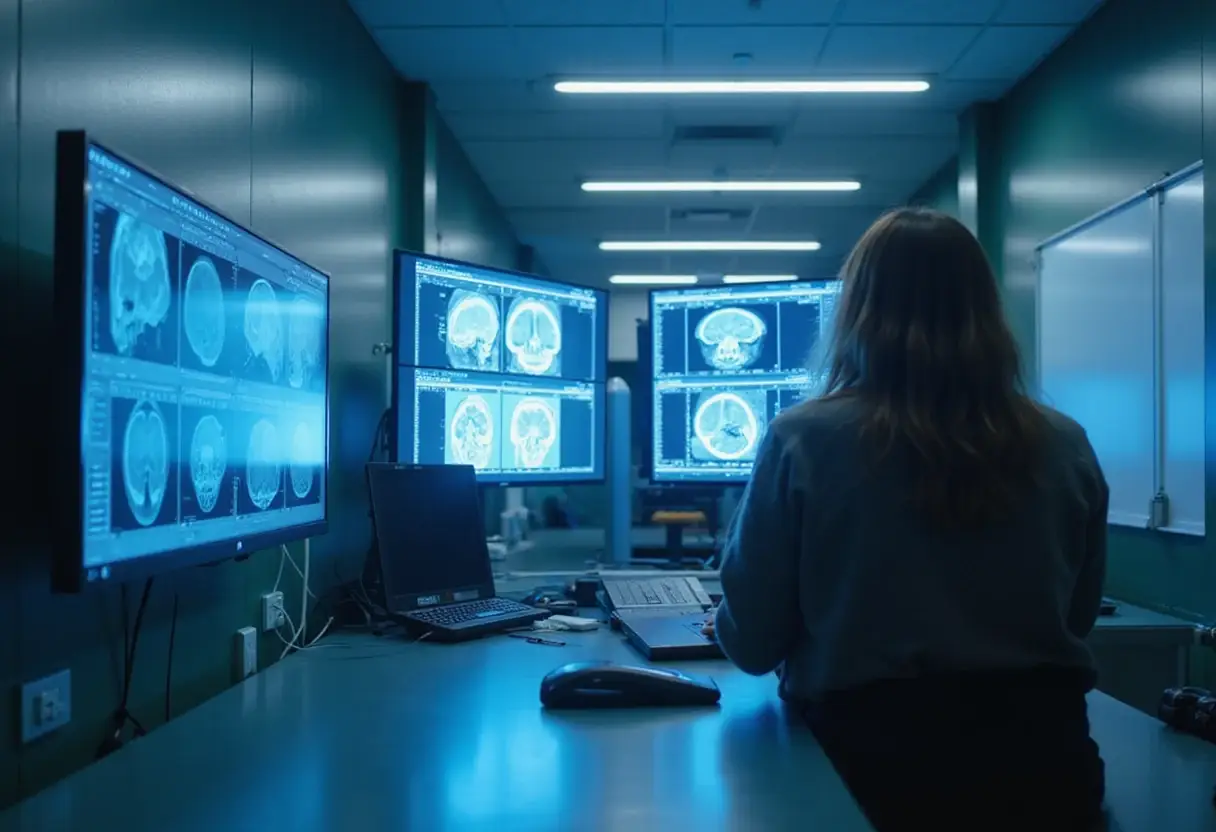
New epilepsy monitoring unit standards are heading toward formal proposal after surveys of practicing clinicians exposed widespread inconsistency in how these specialized inpatient units operate.
The report, carried by Neurology Today under the headline "New Standards for Epilepsy Monitoring Units Are Proposed — Surveys Show Lack of Standardized Care," captures a tension that long-term EEG-video monitoring practitioners have named for years: the protocols governing admission, EEG montage, anti-seizure medication withdrawal, and event capture vary sharply between centers.
What did the surveys find
The piece points to field surveys indicating that current EMU practice lacks the standardization expected of an established diagnostic service. For any clinician who runs, or refers patients to, an epilepsy monitoring unit, the implication is direct: identical clinical questions can yield different workups depending on the hospital.
Epilepsy monitoring units combine continuous scalp EEG, often with supplementary ECoG leads in pre-surgical cases, synchronized video, and structured medication adjustments to record and characterize seizures. They are the diagnostic backbone for refractory epilepsy assessment, presurgical planning, and non-epileptic event differentiation. Without consistent standards, comparison of outcomes across institutions — a question increasingly asked by payers and quality programs — becomes unreliable.
What "standardized care" means at the bedside
For the technologist running a 16- or 32-channel acquisition, standardization could translate into specific guidance on electrode application, impedance thresholds, sampling rates, and the documentation expected during a clinical event. For the attending neurophysiologist, it could mean agreed thresholds for when to taper medications, who authorizes the taper, and how ictal recordings are archived.
For the unit director, standardization points to staffing ratios, on-call coverage, and safety protocols during seizures. For the referring neurologist, it would clarify what pre-admission workup a patient can expect and what data the unit will return.
The absence of a uniform framework means each center currently sets its own conventions. Survey responses captured by the Neurology Today reporting suggest these conventions diverge enough to raise clinical concern.
What changes for monitoring-unit practice
If the proposed standards follow the pattern of existing accreditation frameworks — most prominently the four-level designation system maintained by the National Association of Epilepsy Centers — readers should expect specifications at the level of:
- minimum continuous-EEG duration per admission
- anti-seizure drug reduction protocols
- minimum staffing credentials, including credentialed EEG technologists
- documentation requirements for clinical events
- safety procedures, including seizure rescue and electrode-related skin injury prevention
The full proposal text is not reproduced in the headline-level report available; clinicians seeking the specifics will need to consult the underlying Neurology Today feature and any linked society documents.
Why it matters for the reading room
EMU work sits at the intersection of neurology and clinical neurophysiology, and the reading-room implications are concrete. Standardized montages and minimum recording durations would, in principle, reduce inter-rater variability in ictal localization and improve the comparability of presurgical evaluations between centers. Payers and quality registries increasingly request metrics that standardized protocols can supply.
For programs already operating under NAEC accreditation, the new proposal is likely to function as a tightening, not a fundamental restructuring. For centers outside that accreditation tier — typically community hospitals running smaller monitoring services — the standards could prompt investment in staffing, technologist training, or telemetry infrastructure.
What to watch next
The practical question for practitioners is whether the proposed standards arrive as professional society guidance, accreditation requirements, or both. Society guidance from organizations such as the American Epilepsy Society carries educational weight; NAEC accreditation carries operational consequences, including referral patterns and reimbursement eligibility.
Clinicians who want to weigh in should track the Neurology Today coverage for the full survey methodology, the proposing body, and any public comment period. The headline-level finding — that field surveys document substantial variation in EMU practice — is the part most directly relevant to day-to-day monitoring-unit decisions and most likely to drive the next round of protocol revisions across the specialty.
Based on
Source: Google News: Epilepsy monitoring.
Marcus Bennett
Show full bio
Staff writer covering technology and product news in Clinical neurophysiology and EEG interpretation at EEG Signal.