Samsung develops brain-activity wearable and AI cardiac-detection suite
Samsung's research unit is building a wearable for brain-activity recording alongside AI algorithms for heart-disease detection, technology outlet Mezha reports, without disclosing hardware specs or regulatory plans.
Updated
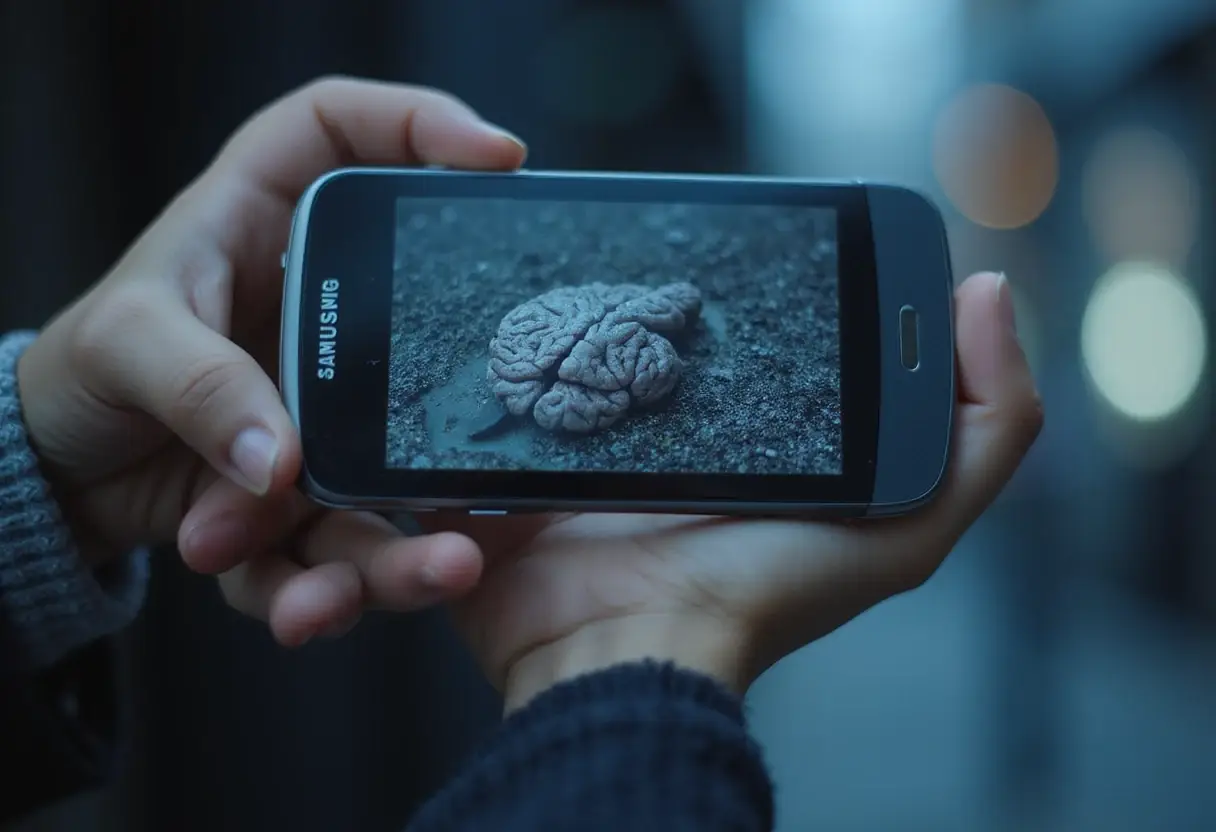
Samsung's research division is building a wearable device aimed at reading brain activity and pairing it with artificial-intelligence software intended to detect heart disease, according to technology outlet Mezha, in a report that did not specify a release date, clinical-trial schedule, or regulatory pathway.
The dual-track project places the Korean consumer-electronics conglomerate alongside other technology firms pursuing scalp-level electrophysiology outside traditional clinical settings.
What form does the brain-activity device take?
Samsung has not released hardware specifications for the wearable in the Mezha report. The company has not confirmed whether the device will rely on scalp electroencephalography (EEG — a non-invasive method that records electrical activity from electrodes placed on the scalp), functional near-infrared spectroscopy (fNIRS — a technique that measures blood-oxygen changes in cortical tissue using infrared light), or dry-electrode arrays engineered for consumer-grade comfort.
That gap matters for clinical neurophysiologists, who evaluate scalp EEG against standards including 19- or 32-channel montages (standardized electrode arrangements across the head), sampling rates of 250 to 1000 Hz, and electrode-skin impedance below 5 kilohms. Consumer wearables have historically struggled to meet those benchmarks while remaining wearable for hours at a time.
What does the cardiac algorithm target?
The heart-disease component is positioned as an AI-driven detection tool rather than a continuous monitoring implant. Mezha's report does not name the specific cardiac conditions the algorithm is trained on, the size of any training dataset, or the inputs the software will analyze — whether single-lead electrocardiography (ECG), photoplethysmography (PPG — an optical method that detects blood-volume changes in tissue), or accelerometer-derived pulse data.
That absence leaves open questions about validation. Algorithms intended for cardiac screening generally require performance reporting on sensitivity, specificity, and area under the receiver-operating-characteristic curve against a defined reference standard, none of which Samsung has published for this project.
Where does this sit in the broader wearable market?
Samsung's initiative enters a category that already includes consumer-grade EEG headbands from Muse, Emotiv, and Neurable, most of which target meditation, focus, or gaming applications. None of those products carry U.S. Food and Drug Administration clearance for diagnostic neurology, and Mezha's report does not indicate that Samsung has filed for regulatory review of its brain-activity device.
The cardiac-AI segment is more crowded. Apple Watch, Fitbit, and Withings have added atrial-fibrillation detection features, some with FDA clearance, establishing a benchmark that any new entrant will need to match or exceed. Samsung's own Galaxy Watch line, introduced in 2018, already includes a single-lead ECG feature in several markets.
What would move the project from announcement to clinical practice?
Four pieces of evidence would determine whether this device crosses from consumer wellness into clinical neurophysiology. First, the recording modality and channel count, since dry-electrode EEG fidelity differs fundamentally from clinical wet-electrode systems. Second, the sampling rate and onboard signal processing, which decide whether evoked potentials or high-frequency oscillations (neural activity above the standard 0.5 to 70 Hz EEG band) can be resolved. Third, the validation cohort size and demographic composition. Fourth, any collaboration with academic epilepsy monitoring units or cardiology departments.
Without those disclosures, the project sits among investigational wearable-EEG efforts rather than within the cleared-device ecosystem that monitoring-unit technologists rely on. Further details from Samsung would determine whether the device earns a place beside clinical EEG in the reading room or remains a wellness peripheral.
Based on
Source: Google News: Wearable EEG.
Priya Raman
Show full bio
Market editor covering regulation, policy and their impact on Clinical neurophysiology and EEG interpretation at EEG Signal.