Brain-Monitoring Wearables: What a Neurologist Says They Can and Cannot Do
A neurologist tells Moneycontrol where brain wearables help — sleep, relaxation — and where they fail: no consumer headband replaces clinical EEG for diagnosis.
Updated
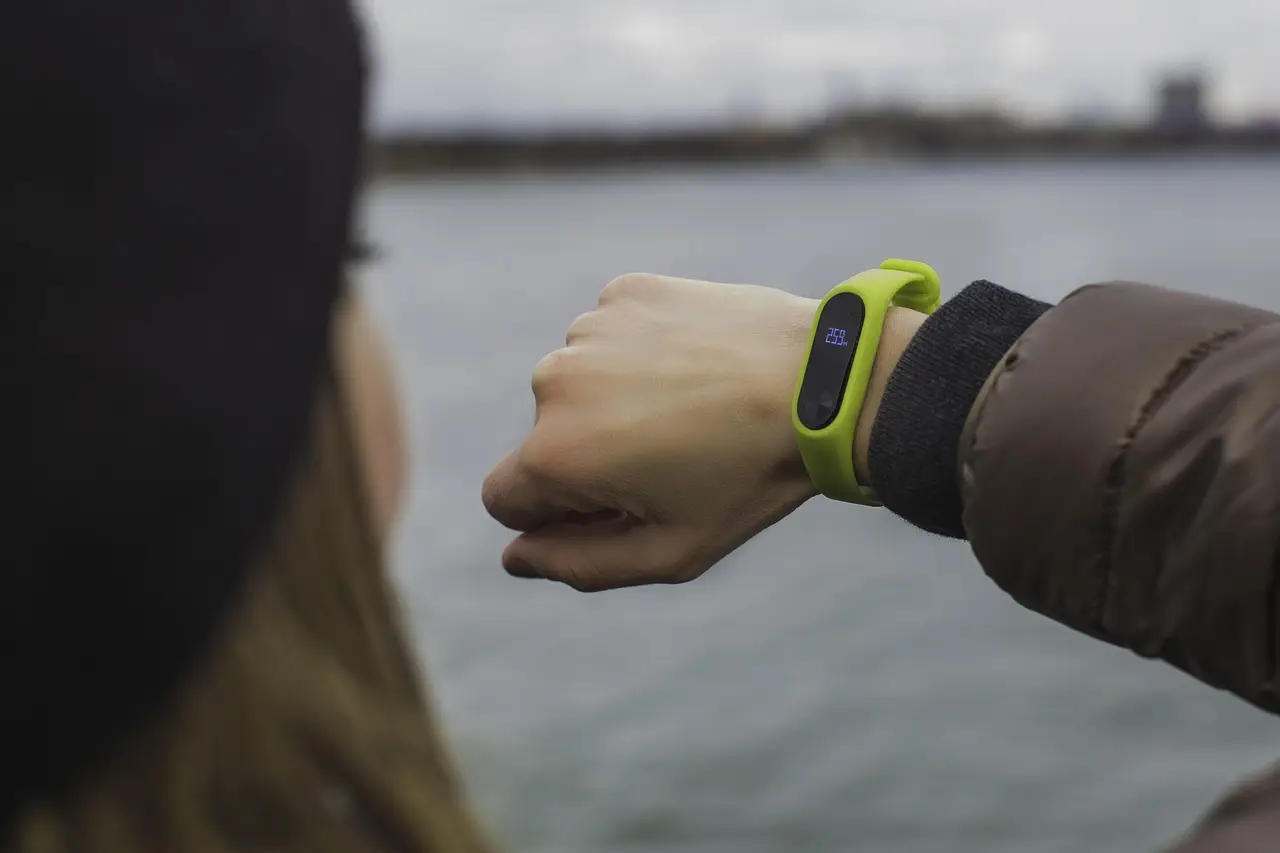
Consumer brain-monitoring wearables occupy an awkward position between wellness gadgets and clinical neurophysiology, and a neurologist interviewed by Moneycontrol has now set out where their genuine uses end. The verdict matters because these devices record signals from the scalp — not the intracranial or ECoG data that neurologists rely on for seizure localization — and that gap defines every limitation that follows.
The devices in question are consumer-grade wearables that market themselves as brain monitors. They sit on the scalp, sample electrical activity through dry or saline-based electrodes, and feed users app-based readouts. That recording arrangement places them closer to simplified scalp EEG than to anything used in an epilepsy monitoring unit. The neurologist's assessment, as reported by Moneycontrol, separates the limited scenarios where such devices offer value from the far larger set of claims they cannot support.
What can these wearables actually do?
According to the neurologist, the devices hold some utility in specific, narrow contexts. Sleep and wakefulness tracking sits at the top of that list, because slow-wave and sleep-stage-related rhythms fall within the frequency bands these wearables can capture. Relaxation and meditation feedback represents a second area where the technology has a plausible, if modest, use case.
Outside those domains, the picture thins quickly. The neurologist's core message is that a consumer wearable cannot substitute for a clinical EEG study, and that users who suspect a neurological problem should see a physician rather than a headband. In plain terms: these are lifestyle tools, not diagnostic instruments.
Why scalp-level consumer hardware falls short
The technical reasons are structural rather than fixable by software. Consumer wearables use a small number of electrodes compared with the full montages deployed in clinical scalp EEG, and they cannot match the electrode density, amplification quality or artifact rejection of hospital-grade systems. Epileptiform discharges, the sharp transients a reader hunts for in a reading room, demand precisely the temporal and spatial resolution that low-electrode-count devices sacrifice.
The neurologist also flagged the risk of misinterpretation. Motion artifact, muscle activity and eye movement contaminate consumer recordings, and an app summary can turn that noise into a confident-sounding but wrong statement about a user's brain state. For patients with undiagnosed seizures or other neurological symptoms, reliance on such readouts delays proper evaluation.
Investigational devices versus FDA-cleared tools
The report draws a line that clinical neurophysiology readers will recognize. Some prescription-level wearable and ambulatory EEG systems have passed regulatory review and serve defined diagnostic roles under physician supervision. Consumer wearables sold directly to users sit on the other side of that line, marketed as wellness products rather than cleared diagnostic devices. That distinction shapes what claims manufacturers can legally make — and what clinicians should tell patients who walk in wearing one.
What should clinicians and labs take from this?
The practical takeaway for monitoring units and reading rooms is anticipatory. Patients increasingly arrive with data from these devices and expect it to be read like EEG. The neurologist's guidance effectively instructs clinicians to treat such data as a conversation starter, not as a record: ask what the device measured, over what duration, and with how many channels, then order the appropriate clinical study if the history warrants it.
For researchers, the segment points to an open question — whether higher-density consumer hardware, validated against standard scalp EEG montages, could one day support meaningful screening. Until such validation exists, the neurologist's framing stands as the operative standard: brain wearables can describe coarse states like sleep and relaxation, and they cannot diagnose disease.
The Moneycontrol segment signals where the conversation goes next — toward clearer consumer education and, possibly, regulatory pressure as marketing claims outpace what scalp-level consumer hardware can measure.
Based on
Source: Google News: Wearable EEG.
Tom Whitfield
Show full bio
Senior reporter covering people, launches and day-to-day practice in Clinical neurophysiology and EEG interpretation at EEG Signal.