Neurable One Headphones Signal Attention Loss via EEG
Neurable's One headphones record brain activity through embedded sensors and alert users when concentration fades — consumer EEG promising attention feedback without lab settings.
Updated
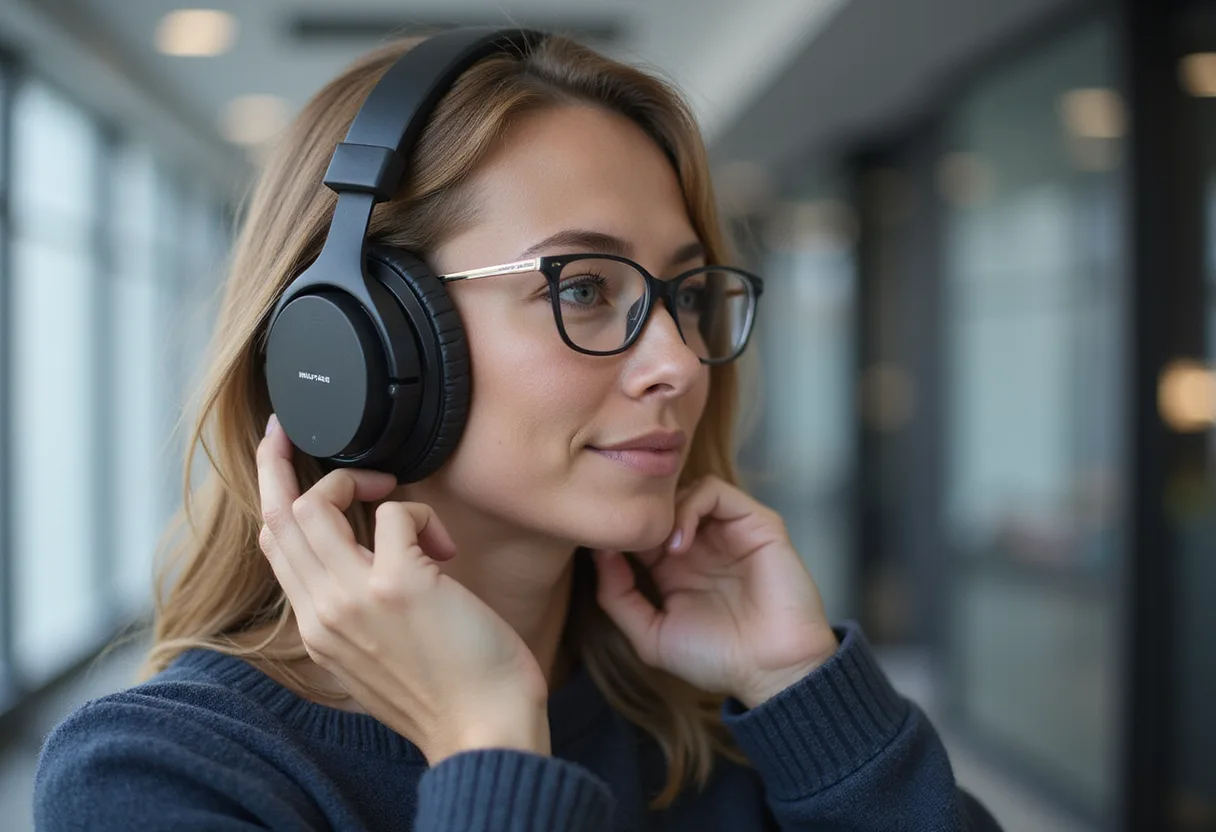
Neurable has built a pair of headphones, the Neurable One, that record electrical brain activity through sensors embedded in the headband and alert the wearer when concentration is dropping.
The device belongs to a growing category of consumer electroencephalography hardware: rather than clinical scalp EEG with gel-applied electrodes and a standardized montage, it uses electrodes integrated into an everyday audio product. The recorded signal feeds an algorithm that the company says can detect lapses in attention and notify the user in real time.
For clinical neurophysiologists, the concept will sound familiar. Sustained-attention paradigms have long produced measurable EEG correlates — changes in spectral power and event-related potentials that track vigilance over time. What distinguishes products like the Neurable One is the packaging: dry sensors, wireless streaming, and real-time feedback delivered on a consumer timeline rather than in a controlled laboratory session.
The announcement, reported by the Ukrainian technology outlet Mezha, gives few technical details. The reporting does not specify the number of electrodes, the sampling rate, the electrode locations, or the classification method behind the attention-decay detection. It also does not state whether the attention-monitoring features carry regulatory clearance or remain investigational, and it presents no validation data from peer-reviewed studies.
That gap matters for anyone weighing the device against established neurofeedback practice. Consumer EEG headsets have historically traded signal quality for convenience. Without published sensitivity and specificity figures for the attention-lapse classifier, there is no way to judge how its alerts compare with the vigilance decrements an experienced reader would identify in a full scalp EEG record.
Still, the direction is clear. Brain-sensing headphones move electrophysiology out of the lab and into routines — a work session, a commute, a study block — where the goal is not diagnosis but moment-to-moment self-monitoring. If Neurable publishes validation data and secures clearance for attention-related claims, the One and its successors could give researchers a continuous, ambulatory EEG stream from populations that never enter a recording room.
Until then, the Neurable One stands as an engineering promise: EEG-derived attention alerts, delivered through headphones, awaiting the technical disclosure that would let the clinical community judge the signal beneath them.
Based on
Source: Google News: EEG.
Priya Raman
Show full bio
Market editor covering regulation, policy and their impact on Clinical neurophysiology and EEG interpretation at EEG Signal.