Phelps Hospital Earns Level 3 Epilepsy Center Accreditation
Phelps Hospital in Sleepy Hollow earns NAEC Level 3 epilepsy center accreditation, expanding specialized EEG evaluation and seizure care access in Westchester County under Northwell Health.
Updated
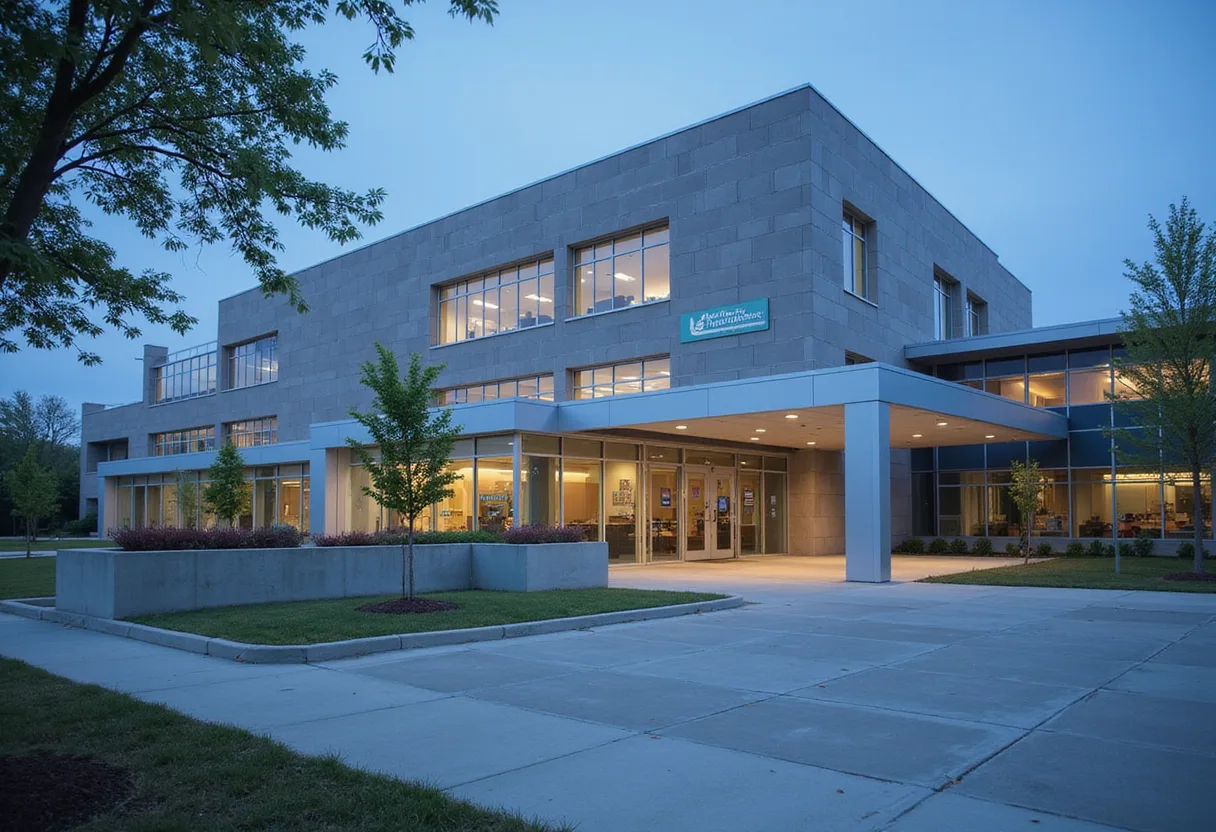
Phelps Hospital in Sleepy Hollow, New York, has earned Level 3 epilepsy center accreditation, placing the Northwell Health facility among hospitals recognized for providing specialized medical and neuropsychological care to patients whose seizures resist routine management.
The accreditation comes from the National Association of Epilepsy Centers (NAEC), the body that evaluates and classifies epilepsy programs across the United States into four levels of care. A Level 3 designation signals that a center offers basic and some specialized neurodiagnostic evaluation, along with medical, neuropsychological, and psychosocial services, for patients referred because initial treatment approaches have not controlled their seizures.
For the clinical neurophysiology community, the designation carries concrete operational implications. Level 3 centers maintain the staff and equipment to perform routine scalp EEG and extended EEG monitoring, and they offer treatment options that include intraoperative monitoring, though they differ from Level 4 centers in the depth of intensive neurodiagnostic monitoring and the range of surgical interventions available on site. Phelps' new status tells referring neurologists and emergency departments in the lower Hudson Valley region that the hospital can now handle diagnostic workups for drug-resistant epilepsy that previously would have required transfer to a Level 4 center.
The accreditation reflects Northwell Health's broader investment in neurosciences across its hospital network. Phelps Hospital has built out its neurology service line in recent years, and epilepsy care represents one of the service areas where the health system has concentrated resources to expand access closer to patients' homes in Westchester County.
For patients, the practical difference lies in access. A person experiencing uncontrolled seizures previously faced travel to New York City or another major medical center for comprehensive epilepsy evaluation. The Level 3 designation means Phelps can now perform the baseline neurodiagnostic studies, initiate and adjust antiseizure medication regimens under specialist supervision, and identify which patients need escalation to a Level 4 center for Phase 1 and Phase 2 presurgical evaluation or invasive monitoring.
NAEC accreditation is not permanent. Centers must renew their status through periodic review, which examines staffing, equipment, protocols, and outcomes. The designation therefore functions both as a recognition of current capability and as a framework for maintaining standards over time.
The news arrives as epilepsy care access remains uneven across the United States. NAEC has long noted that a substantial share of people with drug-resistant epilepsy never reach a specialized center, despite evidence that referral to specialized care improves seizure control. Regional Level 3 centers such as Phelps serve as a critical intermediate step in that referral chain — close enough to catch patients early, equipped to work up most cases, and connected enough to larger programs to route surgical candidates efficiently.
Northwell has not publicly detailed which specific monitoring capabilities, such as long-term video-EEG units or epilepsy monitoring bed counts, factored into the accreditation decision. The health system's epilepsy programs at higher-acuity sites, including Level 4 centers within the network, remain the destination for patients requiring intracranial monitoring or epilepsy surgery.
The accreditation positions Phelps to serve as a regional access point for epilepsy diagnosis and medication management in Westchester, with a defined referral pathway upward through the Northwell system for patients who need advanced interventions.
Based on
Source: Google News: Epilepsy monitoring.
Priya Raman
Show full bio
Market editor covering regulation, policy and their impact on Clinical neurophysiology and EEG interpretation at EEG Signal.